

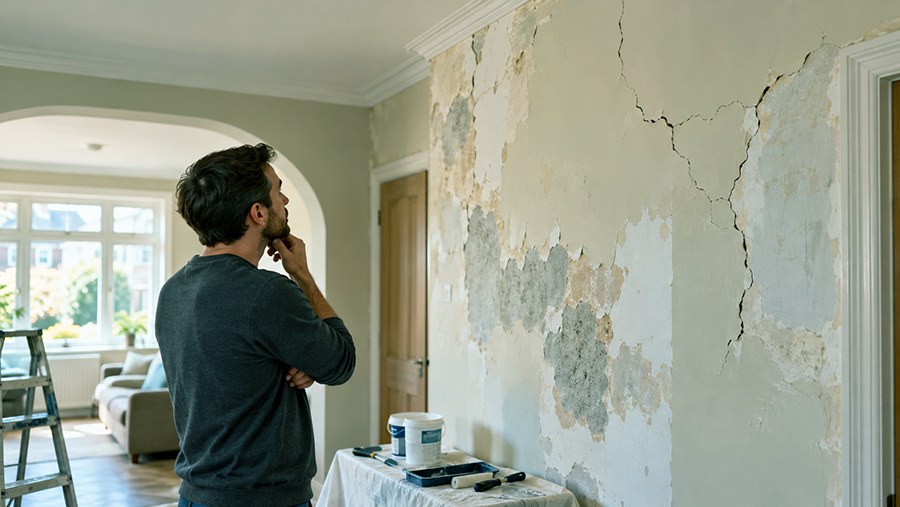
Uneven Walls, Cracked Surfaces and Patchy Paint: Common Interior Finishing Problems in Bexley Homes
Interior finishing problems can make an otherwise attractive Bexley home look tired. Uneven plaster, recurring cracks, poorly repaired holes and patchy paint are particularly noticeable when daylight falls across walls. They can also indicate that preparation has been rushed or that an underlying moisture or substrate problem has not been addressed. The Interior finishing services Bexley can offer the perfect solution to this.
What to Consider When Renovating Older Bexley Homes
Bexley has 23 conservation areas, and the borough also maintains a local list of buildings and structures with historic or architectural interest. This means homeowners should consider the character of the property before undertaking substantial alterations.
Historic England also notes that listed-building protection can extend to internal features. Compatible minor plaster repairs may often be acceptable, but alterations affecting historic plasterwork or decorative features can require specialist consideration.
This matters in older Bexley properties where original cornices, ceiling roses, timber details or traditional plaster may need careful treatment rather than straightforward replacement.
Why Walls and Paintwork Start to Look Uneven
Uneven walls often result from aged plaster, previous repairs or movement. Cracks may develop around joints, corners, openings and repaired areas. Patchy paint can occur when different sections of a wall have different porosity or when repairs have not been properly primed.
Damp should never simply be painted over. GOV.UK identifies condensation, defective plaster, poor ventilation and high humidity among factors associated with damp and mould. RICS similarly advises investigating moisture rather than treating only its visible symptoms.
Getting the Walls Ready for a Lasting Finish
Good preparation is the foundation of professional decoration. Loose material should be removed, cracks and holes repaired, surfaces cleaned and uneven areas sanded before painting. Dulux specifically recommends cleaning, filling, sanding and removing surface dust before applying paint.
Where plaster is damaged, a simple paint touch-up may not be sufficient. British Gypsum recommends removing loose or unstable material and ensuring the substrate is sound before skimming.
Choosing the Right Repair for Each Surface
The correct material depends on the existing wall. Sound but visually uneven plaster may only require skimming. More damaged backgrounds may require patch repairs, plasterboard or wider replastering.
LFS provides skimming, patch repairs, dry lining and plasterboarding, allowing the treatment to be matched to the condition of the surface rather than applying one solution to every wall.
For decorating, paint type and sheen should also reflect room usage. Kitchens, bathrooms, hallways and high-traffic rooms can require different durability and moisture considerations.
What Affects the Cost of Plastering and Decorating?
The final price depends heavily on preparation. London plastering prices vary according to wall condition, access, materials and the extent of repair. Checkatrade currently reports an average London plastering cost of about £472, with wall skimming averaging approximately £506, although individual projects can differ substantially.
Painting and decorating costs also increase when extensive filling, sanding, wallpaper removal, high ceilings or damaged plaster are involved.
Therefore, a low initial painting quote may not represent the final cost if substantial preparation is discovered later.
Planning the Work for a Smooth Renovation
A sensible sequence is inspection, repairs, plastering or skimming, drying, preparation, priming and finally decoration. Painting too early can contribute to adhesion and finish problems where plaster or substrates have not dried sufficiently.
Plan furniture removal, floor protection and access before work starts. Dulux recommends clearing rooms where possible and protecting furniture and surrounding surfaces before decorating begins.
For homeowners looking for Interior finishing services Bexley, combining plaster repairs with painting and decorating can also simplify project coordination.
What to Check Before and After the Work
Before work begins, photograph existing cracks, damp marks, damaged plaster and previous repairs. Identify whether the same areas have repeatedly failed.
After completion, inspect walls in both natural and artificial light. Look closely at corners, ceiling junctions, repaired areas and paint coverage. These checks can reveal imperfections that are less visible under temporary work lighting.
LFS provides plastering, painting and decorating as well as wider renovation services. Its plastering work includes skimming, patch repairs, dry lining and plasterboarding, while its decorating service covers walls, ceilings and woodwork.
The company's published project information also shows practical experience with plastering and renovation work across London.
For homeowners comparing Decorating services in London, the important question is not simply who can apply paint. It is who will correctly identify and prepare the surface before applying it.
FAQs
Can I hire a professional to repair cracked walls in Bexley?
Yes. Minor cracks may require filling and making good, while recurring or substantial cracking should first be investigated to identify the underlying cause.
How much does interior plastering cost in London?
There is no single fixed price. Wall condition, surface area, access, preparation, materials and the required finish all affect the quotation. Current London cost guides show substantial variation between different plastering jobs.
Should I skim uneven walls before painting?
Often yes, where the existing substrate is sound but uneven. If plaster is loose, damp or badly damaged, more extensive preparation may be necessary.
Can I paint over cracked plaster?
Small stable cracks can sometimes be repaired before painting. However, recurring cracks, damp-related damage or loose plaster should be investigated rather than simply covered.
How can I book interior finishing services in Bexley?
A professional contractor can inspect the walls, determine the preparation required and provide a project quotation. LFS offers consultation and quotation services for plastering, decorating and renovation projects.
What decorating services are available for London homes?
Professional Decorating services in London can include interior wall, ceiling and woodwork painting, wallpapering, preparation and related finishing work. LFS provides interior painting and decorating for residential and commercial properties.

Renovation Without the Chaos: How Better Planning Can Reduce Delays and Disruption in London Homes
Renovating a London home does not have to mean months of dust, uncertainty and unexpected costs. The difference often comes down to planning before work begins. A clear scope, realistic programme, suitable materials and properly coordinated trades can reduce avoidable disruption while helping homeowners understand what is happening at every stage.
Challenges and the London Properties
London properties can present unusual renovation challenges. Period terraces, Victorian conversions, flats and listed homes may contain older construction methods, previous alterations and restricted access. Listed buildings may require Listed Building Consent where proposed work affects their special character. Conservation areas can also have additional controls such as Article 4 Directions.
Party wall requirements are another important consideration. Work involving a party wall, boundary or certain excavations may require formal notice to adjoining owners. The Party Wall etc. Act is separate from planning permission and building regulations.
For homeowners searching for Home Renovation services London, checking these issues before appointing tradespeople can prevent a project from being stopped after work has already started.
No Worries on the Cost
A renovation budget should cover more than labour and visible materials. Allow for preparation, waste removal, access, delivery, professional fees, permissions, building-control requirements and unforeseen repairs.
Which? recommends considering VAT, professional fees and a contingency for unexpected discoveries when planning larger work. It also advises homeowners to obtain a detailed written specification rather than relying on a vague quotation.
TrustMark similarly recommends obtaining detailed written quotations and establishing payment terms before work begins.
Minimal Preparations Needed
Start with a property inspection and written scope. Identify which rooms are affected, what needs removing, where materials will be stored and how occupants will use the property during the work.
Older properties also require additional caution. HSE guidance notes that buildings constructed before 2000 cannot automatically be assumed to be asbestos-free. Refurbishment work that could disturb the building fabric may require an appropriate survey.
Materials Matter
Material selection should consider the existing building rather than appearance alone. Plaster systems, tiles, flooring, paints and insulation need to be compatible with the substrate and intended use.
Energy improvements are also worth considering while areas are already open. Energy Saving Trust recommends combining suitable energy upgrades with renovation work because doing related jobs together can reduce future disruption.
Ventilation should not be overlooked. Improving insulation and airtightness without considering airflow can contribute to condensation and damp problems.
The Best Advice You Can Get
Create a written sequence before work starts. Confirm the scope, materials, responsibilities, start date, expected completion date and payment stages. Keep agreed changes in writing. Citizens Advice recommends that contracts should clearly cover timings, materials, tidying, equipment, subcontractors and payments.
For commercial premises, Commercial Finishing London projects require the same discipline but may also need to account for business hours, customer access, health and safety, phased working and operational continuity.
The Changes Before and After
Before renovation begins, photograph existing surfaces and record visible cracks, damp marks, flooring condition and other relevant defects. Protect furniture and establish clear routes for workers and materials.
After completion, inspect repaired walls, junctions, flooring, tiles, paintwork and finishing details under suitable lighting. Keep invoices, certificates, product information and agreed changes for future maintenance.
London Finishing Services states that it offers free consultation and quotation services and aims to maintain communication throughout renovation projects. Its site also records previous renovation and finishing projects, including plastering, tiling and flooring work.
FAQs
How can I plan a home renovation in London?
Begin with a property assessment, written scope, realistic budget and project sequence. Check planning, building regulations and party wall requirements before work starts.
How can I reduce disruption during a London home renovation?
Use phased working where practical, protect occupied areas, order materials early and coordinate trades according to a written programme.
How do I find Home Renovation services London?
Look for a contractor able to explain the scope, materials, programme and quotation clearly. TrustMark recommends checking credentials, references, insurance and written contracts before committing to work.
How much does a London home renovation cost?
There is no single reliable figure because costs depend on property size, condition, access, specification, materials and the number of trades involved. An itemised property-specific quotation is more useful than a generic online figure.
Can Commercial Finishing London work be planned around business operations?
Yes. Commercial projects can be organised into phases so that areas remain operational where practical. The programme should identify working hours, access arrangements, deliveries, safety measures and handover stages.
How do I get a renovation quotation from London Finishing Services?
London Finishing Services offers a consultation and quotation process in which the property and project requirements can be discussed before work begins.
What is the biggest way to avoid renovation delays?
Define the scope before starting, resolve permissions early, confirm material availability and document every agreed change. Good communication between homeowner and contractor is equally important. TrustMark and Which? both emphasise clear written agreements and ongoing communication.
Why London Homeowners Are Rethinking Renovation: The Growing Demand for Complete Home Improvement Services
London homeowners are increasingly looking beyond isolated repairs and individual decorating jobs. Instead, many are considering renovation as a coordinated improvement of the whole property. This approach can make sense in a city where older terraces, converted flats, period homes and compact properties often require several improvements at the same time. But what kind of Home Renovation services London would you need for such a task? Today, we will talk about that.
Making Choices for Victorian and Edwardian Terraces
London's housing stock presents particular renovation challenges. Victorian and Edwardian terraces can have dated layouts, older plaster, limited insulation and restricted natural light. Recent London renovation projects demonstrate how thoughtful reconfiguration can improve functionality without necessarily increasing the property's footprint.
Conservation areas require additional care. Historic England notes that Article 4 Directions can restrict alterations that might otherwise fall under permitted development. Listed buildings may also require specific consent.
For homeowners seeking Home Renovation services London, understanding the property before work starts is therefore essential.
What Would be the Appropriate Budget?
A renovation budget should cover more than visible finishes. Labour, preparation, waste removal, building control, specialist trades, materials and unforeseen repairs can all affect the final cost. Building control charges also vary according to the type and scale of work.
VAT treatment can also differ depending on the nature and circumstances of the renovation. HMRC states that qualifying renovation or alteration work on certain residential properties that have been empty for at least two years may qualify for a reduced VAT rate.
Adhering to the Regulations
Good renovation begins with inspection rather than demolition. Homeowners should identify damp, defective plaster, outdated wiring, plumbing problems, flooring issues and structural concerns before finalising the scope.
Planning permission and building regulations are separate matters. Some alterations require building regulations approval even when planning permission is not required.
Party-wall requirements should also be checked when work affects shared walls, boundaries or foundations. Certain projects require formal notice to neighbours.
Selection of the Right Material Is Essential
Material selection should reflect both the property and its intended use. Period homes may benefit from sympathetic finishes while kitchens and bathrooms require materials capable of handling moisture and regular use.
Energy improvements are also worth considering during renovation. Energy Saving Trust recommends combining energy-efficiency upgrades with other planned building work where practical because some improvements are disruptive to install separately.
Staying Away from Problems
Renovation problems frequently arise when trades are planned independently. Painting may begin before plaster is properly prepared. Tiling may be scheduled before plumbing is completed. Flooring can also be damaged if installed too early.
London Finishing Services offers coordinated renovation work covering areas such as plastering, tiling, painting and decorating, flooring, electrical work, carpentry, plumbing and wider property renovation.
The Smart Requirement
A written scope should establish what is included, which materials will be used, the sequence of trades, expected timescales and how changes will be handled. This becomes particularly important for whole-house projects.
For businesses and landlords, Commercial Finishing London requirements may similarly involve several interconnected trades. Coordinating the work can help create a consistent finish across offices, retail premises and other commercial environments. London Finishing Services provides business renovation solutions including office renovation, retail fit-outs, commercial flooring and tiling, painting, carpentry and electrical and plumbing work.
Before and after considerations
Before work begins, photograph existing rooms and record visible defects. Keep samples or specifications for important materials. After completion, inspect walls, ceilings, flooring, tiling, decoration and finishing details under suitable lighting.
A well-planned renovation should improve not only appearance but also usability, durability and energy performance.
FAQs
Who provides complete home renovation services in London?
London Finishing Services provides partial and complete renovation solutions covering kitchens, bathrooms, flooring, tiling, painting, plastering, electrical work and other improvements.
How can I get a home renovation quote in London?
Arrange a property assessment and provide a clear description of the required work. London Finishing Services offers consultation and quotation options before renovation begins.
Do I need planning permission for a London renovation?
Not necessarily. Requirements depend on the proposed work, property and location. Conservation areas, listed buildings and Article 4 Directions can introduce additional restrictions.
Can one contractor coordinate several renovation services?
Yes. A contractor offering multiple related trades can coordinate sequencing between plastering, tiling, decorating, flooring and other finishing requirements. This can simplify communication and project management.
Where can I find professional Commercial Finishing London services?
London Finishing Services provides renovation and finishing services for commercial properties including offices, retail premises, restaurants, hotels and educational buildings.

The London Rental Refresh: Why Landlords Are Investing More in Professional Home Finishing Before Re-Letting
London's rental market is making property presentation increasingly important. In August 2026 the average London private rent reached £2,332 a month, while Zoopla reported that London was experiencing rising rental demand alongside fewer available homes. In Lewisham specifically, average private rent reached £1,829 in August 2026, up 2.0% year-on-year.
This does not mean every landlord needs a major refurbishment. Instead, many landlords are looking at professional finishing as a practical way to present a clean, well-maintained property between tenancies.
The Right Requirements For Re-letting
London contains everything from Victorian terraces and Edwardian conversions to modern flats. Older properties can have uneven walls, previous repairs, tired plaster and multiple layers of decoration. These issues can become particularly visible during a vacant-period inspection.
Lewisham landlords also need to consider local licensing requirements and general property standards. Lewisham Council states that landlords must maintain rented accommodation in a safe condition and operates property licensing schemes.
For landlords comparing Decorating services in Lewisham, professional preparation can therefore involve more than applying fresh paint. Cracks, damaged plaster, worn flooring, tired woodwork and bathroom finishes may all need attention.
Proper Considerations and Cost Factors
A re-let refresh should be based on the property's condition and target tenant rather than an arbitrary refurbishment budget. Professional decorating may involve preparation, filling, sanding, priming and multiple coats. Larger repairs may require plastering or replacement materials.
The NRLA recommends balancing style, durability and functionality when preparing a rental property. TDS guidance highlighted by the NRLA also notes that decoration has a useful lifespan, making photographic records important when assessing tenant-related damage.
Preparation Requirements for the Landlords
Before decorating, inspect walls, ceilings, floors, doors, skirting boards and tiled areas. Damp or mould should not simply be painted over. Underlying moisture and ventilation issues should be investigated first.
Landlords must also address statutory requirements separately from cosmetic finishing. These include electrical safety, gas safety, fire alarms and EPC obligations.
Choosing the Right Materials
Rental properties generally benefit from durable and maintainable materials. Washable paints, suitable flooring and hard-wearing bathroom finishes can make future maintenance easier. Neutral colours can also provide a flexible backdrop for different tenants.
Professional Home Finishing London projects can combine decorating with plaster repairs, tiling, flooring and other finishing requirements rather than treating each surface independently.
Common Problems Faced?
Common re-letting issues include scuffed walls, nail holes, cracked plaster, stained ceilings, damaged grout, worn flooring and poorly repaired previous work. Rushing these repairs can leave visible defects beneath the new finish.
What Advice Is needed before Project planning?
Start with an inspection and written scope. Identify essential repairs first. Then schedule plastering and surface preparation before painting, decorating, flooring and final cleaning. This reduces duplicated labour and helps minimise the void period.
Recent NRLA guidance specifically warns landlords against rushing refurbishment decisions because void periods can make poor planning expensive.
Before/after considerations Landlords Should Have
Photograph every room before work begins. Record existing damage and the condition of decorative surfaces. After completion, inspect walls under good lighting and check corners, ceilings, skirting, doors and repaired areas.
London Finishing Services provides plastering, painting and decorating, tiling, floor renovation, electrical work and wider renovation services. Its current service information describes tailored project solutions, quality materials and attention to detail.
Its project and testimonial material also includes examples involving plastering followed by painting and decorating, bathroom tiling, flooring and remedial finishing work.
Why professional finishing is becoming part of the re-let process
With London rental supply remaining constrained, presentation is one part of a landlord's wider property-management strategy. Knight Frank reported in September 2026 that new listings in prime central and outer London remained below the five-year average while rental values continued to be shaped by tight supply.
The objective is not necessarily luxury refurbishment. It is to return the property to a clean, functional and professionally finished condition before marketing.
For landlords seeking Decorating services in Lewisham, this can mean targeted painting and repairs rather than unnecessary structural work. For wider Home Finishing London requirements, coordinating several finishing trades can create a more consistent result.
FAQs
How much does it cost to refresh a rental property before re-letting?
The cost depends on property size, surface condition, preparation, materials and the number of services required. Request an itemised quotation after an inspection.
What should landlords repair before re-letting?
Prioritise safety, damp or mould issues, damaged surfaces, defective fixtures and significant wear before completing decorative work.
Can a landlord hire professional decorating services between tenancies?
Yes. Professional decorating can be scheduled during the vacant period to refresh walls, ceilings, woodwork and other decorative surfaces.
Can London Finishing Services handle several finishing jobs?
Yes. Its current service range includes plastering, painting and decorating, tiling, flooring, electrical services and wider renovation work.
What should I ask when hiring a London finishing contractor?
Ask for a written scope, preparation requirements, materials, number of coats, estimated timescale, exclusions and final price before work starts.
Is professional finishing a legal requirement for landlords?
Decoration itself is generally not a legal requirement. However, landlords have legal duties concerning safety, health hazards, electrical installations, gas equipment, fire safety and energy efficiency.

Bathroom Layout Ideas to Consider with Budget-friendly Bathroom Tiling Services in Canary Wharf
A well-planned bathroom does not always require an expensive transformation. The right layout can make a compact space feel more comfortable while carefully selected tiles can create an impressive visual finish. Current UK bathroom trends show growing interest in larger showers, easy-to-clean surfaces and practical layouts. Houzz reports that 58% of homeowners increased their primary shower size during bathroom renovations while 40% said tiles were the hero design feature.
Make the Most of a Compact Bathroom
Many Canary Wharf properties have bathrooms where every metre matters. A corner shower can help preserve central floor space while a wall-mounted vanity can create a more open appearance. Fitted baths are also becoming popular again because they provide a practical space-saving solution.
Keeping the toilet and major plumbing points close to their existing positions can also reduce renovation costs. Moving fixtures can require additional plumbing work and increase the project budget.
Use Tiles Strategically
Floor-to-ceiling tiling can create a dramatic appearance but it is not always necessary for a cost-conscious renovation. Selective tiling around shower areas, baths, basins and floors can provide protection where it matters while reducing the amount of material and labour required. Houzz notes that deciding how much of a bathroom to tile can have a significant effect on overall project cost.
This is where Budget friendly Bathroom Tiling Services in Canary Wharf can help homeowners balance appearance, durability and expenditure. Large-format tiles can also create fewer visible grout lines and may produce a cleaner contemporary appearance.
Create Visual Interest Without Overspending
A straightforward tile pattern does not have to look ordinary. Checkerboard layouts, contrasting borders, vertical arrangements and carefully selected feature tiles can introduce character without covering every surface with expensive decorative materials. Current design coverage also highlights earthy tones, checkerboard patterns, textured surfaces and new interpretations of classic tile layouts.
Using an accent tile inside a shower enclosure or behind a vanity can therefore create a focal point while keeping the rest of the scheme simpler.
Consider the Complete Finish
Tiles need a suitable surface beneath them. Uneven walls or damaged plaster can affect alignment and the final appearance of a bathroom installation. Professional Plastering Services in Croydon can be particularly useful when adjoining renovation work requires walls to be repaired and prepared before decorative finishes are applied.
Although Croydon is separate from Canary Wharf, the principle is relevant to London renovation projects: professional surface preparation can help tilers achieve cleaner lines and a more consistent finished result.
Choose an Experienced Multi-Service Company
London Finishing Services is an important choice for homeowners seeking coordinated property improvement work. Its tiling service covers ceramic, porcelain, natural stone, mosaic, slate, marble, vinyl, glass and Victorian tiles, alongside installation, repair, cleaning, sealing and restoration.
The company also provides renovation, plastering, painting, electrical and other property-finishing services. This can simplify projects where bathroom tiling needs to be coordinated with other trades.
For homeowners considering Budget friendly Bathroom Tiling Services in Canary Wharf, a clear specification and sensible layout can help control unnecessary expenditure while maintaining a polished appearance. Similarly, Professional Plastering Services in Croydon can support projects where surface preparation is required before the final decorative work.
The goal should not simply be to create a fashionable bathroom. It should be to develop a practical layout, select durable materials and achieve a finish that remains attractive and functional for years.

How Detailed Project Planning Shapes Better Renovation Results in Knightsbridge Properties
Renovating a Knightsbridge property requires more than attractive design ideas. It demands careful planning around the building's condition, materials, workmanship, permissions, timelines and finishing details. This is particularly important because much of Knightsbridge has a distinctive architectural character and several areas are covered by conservation designations. Westminster confirms that the Knightsbridge area includes established conservation areas where development should respect local character and heritage.
Understanding the Property Before Work Begins
A successful renovation starts with understanding what already exists. Older properties can contain hidden issues involving damp, wiring, plumbing, structural elements, flooring or previous alterations. The Federation of Master Builders recommends assessing the property's overall condition before finalising the renovation scope because identifying problems early makes budgeting and sequencing more realistic.
This is where Home Renovation Services South London can become part of a wider property improvement strategy. Although Knightsbridge has its own distinctive requirements, experienced renovation professionals should understand how different trades interact before work begins.
Planning Permissions and Heritage Considerations
Detailed planning becomes even more important when a property has historic or architectural significance. Historic England explains that alterations affecting the special character of a listed building may require Listed Building Consent. Westminster also applies additional planning controls in conservation areas and certain Article 4 locations.
A renovation plan should therefore identify potential permissions before demolition or construction begins. Drawings, specifications, heritage considerations and building-control requirements can then be incorporated into the programme instead of becoming unexpected obstacles.
Creating a Clear Scope, Budget and Timeline
A detailed scope helps establish exactly what will be renovated and how the work will progress. This can include plastering, electrical work, plumbing, flooring, tiling, carpentry, painting and decorating. GOV.UK guidance confirms that planning permission and building regulations are separate considerations and that some alterations may require building-regulations approval.
Recent Houzz research found that 49% of UK homeowners planned to renovate in 2025 while the median renovation spend reached £21,440 for projects completed in 2024. The same research found that 94% of renovating homeowners hired professionals.
For premium properties, a detailed written quotation should clearly establish materials, labour, exclusions, payment stages and expected completion dates.
Coordinating Every Trade
Renovation quality often depends on what happens between individual trades. Electrical work may need to precede plastering. Plumbing may need to be completed before tiling. Flooring and final decoration should generally follow earlier structural and surface work.
RIBA's Plan of Work demonstrates the value of organising building projects through defined stages with clear tasks, information exchanges and strategies for cost, planning, procurement and construction.
This structured approach is central to High Quality Renovation Services Knightsbridge, where coordination and finishing standards can be just as important as the initial design.
Why London Finishing Company Matters
Choosing the right contractor can simplify this entire process. London Finishing Company can provide an important choice for property owners seeking coordinated renovation expertise across multiple finishing and building requirements. Its wider service capability includes renovation, plastering, tiling, painting and decorating, electrical work, flooring and brick and block work.
For homeowners comparing Home Renovation Services South London, the ability to coordinate several related trades through one experienced company can reduce communication gaps and make project scheduling easier.
Better Planning Creates Better Finishes
A successful renovation is ultimately measured by the finished property. Detailed planning helps protect the budget, establish realistic timelines, coordinate trades and anticipate regulatory or property-specific issues. Houzz research also shows that homeowners value communication and organisation when choosing renovation professionals.
For Knightsbridge properties, where architectural character and finishing quality can carry particular importance, choosing High Quality Renovation Services Knightsbridge with a structured project plan can help transform ambitious renovation ideas into carefully executed results.

How Professional Plastering Services in Central London Create Smooth and Durable Wall Finishes
A beautifully finished wall can transform the appearance of a London property. Yet achieving a genuinely smooth and durable surface requires considerably more than spreading plaster across a wall. Professional plastering combines careful preparation, appropriate materials, controlled application and skilled finishing. These factors become especially important in Central London where properties can range from modern apartments to older buildings requiring sensitive restoration.
Careful Preparation Creates the Foundation
The quality of a plaster finish begins before the first coat is applied. Walls need to be inspected for loose material, cracks, uneven areas, previous coatings and other surface problems. Cleaning and preparing the background helps the plaster bond correctly. Professional plasterers also assess the existing surface before selecting an appropriate plastering system.
BSI guidance on internal plastering covers surface preparation, material selection, application and inspection. This reinforces why preparation is an important part of achieving a consistent result rather than simply an optional preliminary step.
Skilled Application Produces Smooth Surfaces
The application technique has a direct effect on the final appearance. Experienced tradespeople understand how to control plaster thickness and work across walls without leaving obvious ridges or trowel marks. Finishing plaster is designed to create a smooth decorative surface suitable for subsequent painting or wallpapering. British Gypsum describes its finishing products as providing smooth and durable finishes for plasterboard and other common backgrounds.
This level of precision is one reason Professional Plastering Services in Central London can be valuable for homeowners, landlords and commercial property owners who expect a polished finish.
Choosing the Right Approach for Older Properties
Central London contains many older properties where existing walls may require more careful treatment. Historic plaster can differ significantly from modern construction materials. Traditional lime-based plaster was widely used in historic buildings and may require specialist repair rather than straightforward replacement. Historic-building guidance stresses that existing decorative and plasterwork features should be assessed carefully before restoration.
This makes material compatibility particularly important. A professional assessment can help determine whether a wall requires patch repairs, skimming, deeper replastering or a more sympathetic restoration approach.
Durability Depends on More Than Appearance
A smooth surface is only successful when it remains stable after completion. Poor preparation, unsuitable materials or inadequate drying can contribute to cracking, adhesion problems and surface defects. Industry guidance therefore treats preparation, application and inspection as connected stages of plastering rather than isolated tasks.
For busy residential and commercial environments, specialist hard-wearing finishing products can also provide additional resistance to everyday wear. British Gypsum's DuraFinish product, for example, is designed for improved scratch resistance in high-traffic areas.
Why Professional Expertise Matters
Achieving consistently flat walls across large surfaces requires experience and judgement. Local London renovation guidance notes that plastering is deceptively difficult to master and recommends professional plasterers for larger areas where a quality finish is required.
For customers searching for Professional Plastering Services Soho, London Finishing Company provides an important option for projects where workmanship, surface preparation and final presentation all matter. The company's wider property-finishing capabilities can also make coordination easier when plastering forms part of a broader renovation.
A Reliable Finish for London's Properties
From damaged walls and ceiling repairs to complete renovation projects, quality plastering creates the foundation for successful decorating. Proper preparation, suitable materials, skilled application and controlled finishing can produce surfaces that look refined while providing lasting performance.
For property owners seeking Professional Plastering Services in Central London, London Finishing Company can be considered when professional workmanship and comprehensive property-finishing expertise are priorities. For customers specifically looking for Professional Plastering Services Soho, the same focus on preparation, precision and durable finishes can help turn tired surfaces into clean and professionally finished spaces.

Transforming Homes with Professional Plastering and Renovation with the Expert Home Renovation Services in West End
Redoing a home in London cannot be done with just good finishes. Wall, ceiling, floors, tiling and ornamental features all must be in unison to produce a lasting and integrated interior. The issue of professional plastering is of concern, especially in that it will ensure a smooth and even surface upon which the work of painting and wallpapering can be done and other works can be finished. According to industry sources, plastering may also involve local repair and skimming or even an entire-wall-and-ceiling-replacement plastering, depending on the property situation. In the eyes of the owners of the house, who need a certain degree of electrical work, London Finishing Services would integrate financing and decoration skills with plastering skills, floor-covering skills and reconstruction skills, which help to transform the worn-out interiors to the sleek living quarters.
Production of Smooth Durable Interior Surfaces
An excellent home plastering service in London can be very useful in transforming the look of a property. The professional plasterers evaluate the surface in place and fix areas that are damaged or contain cracks, and one has to prepare the substrate and apply a suitable finish. It is commonly appropriate to use skimming when the current walls are healthy but should have a more desirable finish, whereas more severe damage might necessitate further preparations or replastering.
It is also important to be prepared properly. Protection should be provided around furniture and existing areas; old coatings, holes, and loose material should be taken care of, and then plaster should be applied. A well-prepared surface has a superior foundation to continue on with further decorating and may assist in avoiding prominent cracks as they become more apparent after painting.
Refurbishing Homes in the West End
The architecture can be unique with West End properties, yet there may be a hard-to-work layout and cracks being present on the surface that demand extra care. Renovation can be a process that entails updating a single room or a group of trades involved in a larger renovation. And here is where Expert Home Renovation Services in West End would prove to be of much help, as they will help put various finishing requirements together and not deal with each job separately.
Modern renovation works often entail a combination of plastering and painting, decoration, flooring, tiling, carpentry and other additions to the renovated interior. Orchestrating these phases assists in developing a uniform finish and minimising unwarranted disturbance to the homeowners.
The Value of Professional Finishing
Good finishing is more a matter of accuracy than appearance. Poor plaster work or finishes agreed to in a hurry or not well prepared may become evident after decorative finishes have been applied. Professional workmanship assists in making sure that walls and ceilings are well prepared prior to painting or wallpapering.
The need to hire an accomplished contractor can also streamline bigger refurbishment projects for London homeowners. London Finishing Services offers plastering services, decorating, tiling, flooring and additional finishing services, and the company boasts over 30 years of experience in all its services.
Careful Design of the Whole House
The first step to a successful renovation is to know the property and to see the results one desires. Homeowners ought to decide which of the surfaces they can repair, whether to have the plastering of walls fully replaced or merely skimmed, and how the plastering will coordinate with decorating and other professions. Prices are generally quite different depending on the room size, condition of the surface, access and the desired plastering specification.
By an organised strategy, solutions by Home Plastering Service London can be integrated in a broader change instead of being an isolated repair. Similarly, Expert Home Renovation Services in the West End can assist homeowners in uniting feasible enhancements and elegant finishes. London Finishing Services provides an all-in-one solution to customers who want to look into professional finishing services all over their premises.
FAQs
- What is the time required to plaster?
Minor repairs can be undertaken within a few hours, whereas major replacement of the plaster can be undertaken with relatively a lot more time depending on the preparation and drying processes.
- Can we use skimming on old walls?
Yes, when the surface upon which it is to be laid is sound enough. Plaster which is badly damaged or unstable in place may need more extensive preparation.
- Is it possible to include plastering in a more extensive renovation?
Yes. Plastering is often arranged alongside refurbishment and decoration, tiling, flooring and so on.
- Why should surface preparation be important?
Preparation also assists in a stable and even base, and the chances that the individual defects may transcend into the final finish are minimised.
- What are the services offered by London Finishing Services?
The company provides plastering, decoration, tiling, flooring, electrical and other home finishing services.

From Cracked Walls to Smooth Finishes: When Do You Need a Home Plastering Service Knightsbridge?
The cracks on the hairlines can be acquired naturally when the buildings are settling. But cracks so profound, plaster so disfiguring, and surfaces recurring or loose are subject to professional examination. Before repairing old walls, investigating the causes that could have resulted in the problem (like movement, damp and unsuitable materials) is part of the recommendation of Historic England. An expert plasterer will thus follow through on the problem as opposed to covering a damaged area that can be seen.
Damp Plaster when Damaged
One of the largest causes of deterioration of plaster is damp. Common causes suggested by government guidance include condensation, penetrating damp, rising damp and water damage associated with plumbing. All that is needed is the elimination of damaged surfaces, but the presence of moisture is a problem. After taking control of the source, a professional is able to eliminate defective plaster and provide a stable surface on which to decorate.
Renovation Needs to be Refined
In extensions, refurbishment and rewiring of rooms or their layout, holes in walls, channels and irregularities often form. Skimming may be used to give a smooth surface, and dry lining may be used to give new internal surfaces. The risk of exposed joints and rough finishing is also minimised through professional workmanship. To homeowners who intend to do more extensive renovations, Expert Home Renovation Services in London can organise plastering alongside decorating and other finishing needs.
The London Finishing Services are unique because of the following reasons
London Finishing Services will be an excellent option for homeowners who would want quality plastering and finishing services in London. The services offered by the company include skimming, rendering, dry lining, plasterboard installation and patch repairing. It has 4.7/5 based on 145 MyBuilder reviews at present. It is also an active UK limited company registered.
Select Repair According to the Cause
The appropriate plastering method should correspond with the construction of the wall, the level of moisture, the level of damage and the finish that is in place. The use of impermeable modern products such as lime-free middle-soil classes might not be suitable in older London buildings, as the existing materials might need to be compatible. Historic England cautions against using inappropriate materials due to the possibility of trapping moisture and triggering rotting. Professional assessment, then, can keep an attractive repair a costless thing at a later date.
The Final Word: Fix It Before It Breaks
A broken wall need not necessarily imply that there should be total replastering. The wiser ones are diagnosis, preparation, compatible materials and proficient application. Historic England observes that initial maintenance would save invasive and costly repairs in the future. To those owners of homes who are in search of honest Home Plastering Service Knightsbridge, an investment that deals with the looks, longevity and long-term care of their properties is an investment in an expert contractor.
FAQs
-
When should I hire a professional plasterer for cracked walls?
Engage a professional in case cracks reoccur; increase and come along with dampness; reveal underlying material; or come forth with bulging plaster or structural movement.
-
When should I hire a professional plasterer for cracked walls?
Plastering restores the damaged surfaces, but long-term outcomes can only be achieved by finding the cause of moisture and obtaining the necessary zero moisture level and then applying the plaster.
-
Is skimming suitable for uneven interior walls?
Yes. Skimming may provide a smooth finish to acceptable underlying surfaces as long as the underlying substrate is sound, clean, stable and well prepared.
-
How do I choose a reliable London plastering contractor?
Enquire about the latest reviews and any related experience, insurance, written quotes, photos and evidence of the project that the contractor is aware of regarding the construction of your property.
-
Should old London homes use lime plaster?
Older buildings might be able to take advantage of workable lime-based products since breathable construction might require finishes that enable the passage of moisture instead of retention. The experts in Home Plastering Service Knightsbridge would be the best choice here.
-
Can plastering be combined with wider home renovations?
Yes. The coordination of plastering and decorating, tiling, electrical work, etc. with other stages of renovation can enhance the sequencing, uniformity, preparation and appearance of the final outcome.

Exterior Painting and Decorating in Canary Wharf: How to Protect Properties Against Changing Weather
The weather in London properties is becoming more and more unpredictable. According to City Hall, London has hot and drier summers, as well as warmer and wetter winters, and heavy rains and heatwaves are becoming more common. This causes the exterior maintenance to be more than a cosmetic choice. Good painting and decorating in Canary Wharf may provide another layer of protection against moisture and changes in sunlight and temperature. Nevertheless, preparation is important. The walls need to be clean, dry and structurally sound; then coatings can be applied. Even the very costly finishes may fail due to cracks, damaged render, algae and loose paint. Dulux also suggests that, prior to painting, one fixes any defects and wipes out any external surfaces.
Selecting materials to cope with British weather
The proper coating is the one that is dependent on the building substance and its exposure. Alternatively, water can be resistant with modern masonry paints in the area, still allowing appropriate surfaces to handle water. According to Crown Paints, its Sandtex Ultra Smooth Masonry Paint is breathable and waterproof and should provide years of protection when used, although not to be applied when rain and/or frost are expected. Flexible exterior finishes can also be beneficial on wood due to the ability of the coating to adjust to the movement and reduce fractures. Dulux explains that there are flexible weatherproof paint films that hinder cracking and mould staining. So the ability to choose products based on their performance and not just their colour is a wise investment.
Scheduling Around the Varying Conditions
One of the least considered elements of exterior decorating is timing. The paint requires the right conditions to become dry and develop a stable film. Dulux suggests that some exterior products only do well in dry and high temperatures of over 10c. A rain shower may destroy an incomplete coating, but overheating may affect the drying behaviour. The professional contractors thus observe predictions prior to commencing every phase. This in practice also saves up on wasted material and also averts premature peeling. It also shows why professional exterior painting and decorating in London should not be done on a whim and people should plan on doing it over the weekend.
Protecting Older London Properties
Old buildings in London require further support, as the construction of buildings in traditional use has various behaviours compared to new buildings. Historic England cautions that breathable finishes need to be used on some of the traditional surfaces since the trapping of moisture may increase damp issues. Even consent can be needed ahead of exterior painting or even a cleanup of listed buildings. Lambeth Council in particular observes that it may be necessary to paint the exterior part of a listed building, which might hence need listed building consent. Owners of properties can therefore find out which colours or materials are used as heritage restrictions beforehand. The lowest cost of coating is not always the least cost in the long term in case it spoils historic fabric.
Why us, London Finishing Services?
London Finishing Services deals with painting, decorating, plastering, renovating and other pertinent services for properties in London. According to its webpage, the company has over 30 years of experience and is servicing both residential and commercial clients. Another characteristic of their company is encouraging professionalism, seasoned craftsmen and free consultations. London Finishing Services will be a solid option for the homeowners who want an affordable, reliable local company to do the exterior preparation, repairs and finishing work.
A Real Investment towards Long-Term Protection
Outside upkeep must be considered as preventative maintenance of the property instead of decoration in itself. Routine checks can reveal cracks, failing paints, broken timber and water leaks before the detected damages turn into costly repairs. Citizens Advice lists purposes of penetrating damp as broken or cracked walls, failed gutters and rotten windows or doors. Conclusively, good exterior painting and decorating in London are based on good preparation, weatherproof materials, timing and application. To owners of London property, it can be safeguarded today by investing in quality workmanship to ensure that both looks and the fabric of the building can withstand weather that may be even more changeable tomorrow.
FAQs
-
How often should London homes receive exterior painting?
The fact is that most of the properties are inspected after a few years; repainting is based on the exposure, surface integrity and coating durability. Professional painting and decorating in Canary Wharf tests are more timely.
-
Can exterior painting be completed during winter?
It could be possible following appropriate dry seasons, yet temperature, rain and frost have to be taken into account. Professional exterior painting and decorating in London contractors plan their work depending on weather conditions.
-
What exterior paint works best for London weather?
Masonry coating weather-resistance Weather-resistant outside wood finishes and flexible finishes are mostly appropriate and can be effectively used on the surface, usually depending on the match to the substrate, and applied under conditions specified by the manufacturer.
-
Does exterior painting prevent damp problems?
It may assist in ensuring that sound surfaces are not exposed to weather, but the structural sources of moisture are beyond repair by painting. The first thing to repair should be cracks, broken gutters and broken masonry.
-
Do listed London properties need permission for painting?
Sometimes, listed building consent may be necessitated by external painting which interferes with the special character of a building. The owners are advised to consult with their local planning authority prior to commencing.
-
Why hire London Finishing Services for exterior work?
With the ability to match an experienced tradesman with the preparation, repair and decorating features, London Finishing Services offers a viable choice regarding exterior projects in residential and business locations.

