...
+44 07956 100748
8AM – 5PM Mon – Fri
20 Wenlock Road, London, United Kingdom, N1 7GU

Can Wooden Stairs Be Tiled? What London Homeowners Should Know Before Installation

Wooden stairs can be tiled, but the process is not as simple as fixing tiles directly onto timber. Timber naturally moves with changes in moisture and temperature. That movement can cause tiles or grout to crack if the staircase is not sufficiently rigid and properly prepared. The Tile Association notes that timber-based boards are not generally recommended as a direct tiling substrate and that an intermediate layer such as an uncoupling membrane or suitable tile backer board may be required.

What London Homeowners Should Know About Older Staircases

London homes can present very different stair structures. Victorian and Edwardian properties may contain older timber, uneven stair dimensions or previous alterations. Eltham also includes properties within and around heritage-designated areas. Royal Greenwich identifies significant listed and locally listed buildings around the Eltham Palace Conservation Area.

For listed properties, homeowners should check whether proposed work requires Listed Building Consent before starting. Planning Portal guidance confirms that significant alterations to listed buildings can require consent, including internal works affecting historic character.

Getting Wooden Stairs Ready for Tiling

The staircase must first be checked for movement, damaged boards, loose fixings and uneven surfaces. Tile installation guidance from Topps Tiles stresses that the substrate should be clean, dry, level and secure, with no obvious deflection. Reinforcement may also be required to cope with the additional weight of tiles.

Depending on the staircase, preparation can involve strengthening timber, installing suitable plywood or a tile backer system, correcting levels and creating a stable tiling surface. Weber similarly advises strengthening timber substrates before tiling where excessive movement is present.

Choosing the Right Tiles for Safe and Durable Stairs

Porcelain and ceramic tiles can both work, but stair tiles must be selected for durability, dimensions, maintenance and slip performance. HSE guidance recommends suitable underfoot friction, visible step edges and consistent risers and goings when considering stair safety.

The tile thickness and preparation layers can also alter the finished stair dimensions. Approved Document K requires stairs to be designed and installed safely, so a tiling build-up should not be treated as purely decorative.

What Affects the Cost and What Can Go Wrong?

The final price depends on the number of steps, staircase condition, tile choice, preparation, cutting, adhesive, grout, edge profiles and whether strengthening is necessary. Directly tiling an unstable timber surface to save preparation costs can create more expensive problems later.

Common failures include cracked grout, loose tiles, debonding, chipped edges and uneven nosings. Contract Tile and Stone notes that timber substrates must be sufficiently rigid and recommends flexible adhesive systems for suitable prepared timber-based assemblies.

Planning the Work Before and After Installation

Before installation, measure every tread and riser rather than assuming they are identical. Plan the tile layout, edge treatment, nosing detail, adhesive system and transition to the landing. After installation, allow the specified curing time and protect the stairs from premature traffic.

For homeowners searching for Tiling Stairs Eltham, professional assessment is particularly useful where an older staircase needs strengthening or alteration before tiling.

London Finishing Services provides London tiling services covering ceramic, porcelain, natural stone, mosaic, slate, marble, glass and other tile types, alongside installation, repair, maintenance and renovation support.

For homeowners considering whether to Install Tile On Wooden Stairs in London, the sensible starting point is a site assessment rather than choosing tiles first.

FAQs

Can you install tiles directly onto wooden stairs?

Usually, direct installation is not recommended where timber can move or flex. A suitable stable intermediate substrate may be necessary.

How much does it cost to tile wooden stairs in London?

Costs depend on preparation, staircase condition, tile material, number of steps, cutting requirements and finishing details. A site survey is the best way to establish an accurate quotation.

Can I get professional help to Install Tile On Wooden Stairs in London?

Yes. A professional tiling contractor can assess the staircase, recommend suitable materials and establish the required preparation before installation.

Who can provide Tiling Stairs Eltham?

London Finishing Services provides professional tiling and wider renovation services across London and can discuss the suitability of your staircase before work begins.

Interior finishing services Bexley

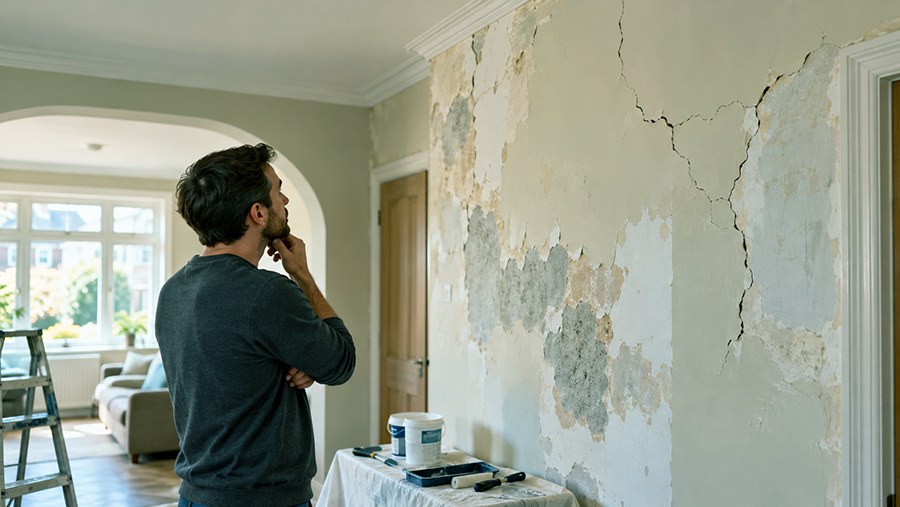
Uneven Walls, Cracked Surfaces and Patchy Paint: Common Interior Finishing Problems in Bexley Homes

Interior finishing problems can make an otherwise attractive Bexley home look tired. Uneven plaster, recurring cracks, poorly repaired holes and patchy paint are particularly noticeable when daylight falls across walls. They can also indicate that preparation has been rushed or that an underlying moisture or substrate problem has not been addressed. The Interior finishing services Bexley can offer the perfect solution to this.

What to Consider When Renovating Older Bexley Homes

Bexley has 23 conservation areas, and the borough also maintains a local list of buildings and structures with historic or architectural interest. This means homeowners should consider the character of the property before undertaking substantial alterations.

Historic England also notes that listed-building protection can extend to internal features. Compatible minor plaster repairs may often be acceptable, but alterations affecting historic plasterwork or decorative features can require specialist consideration.

This matters in older Bexley properties where original cornices, ceiling roses, timber details or traditional plaster may need careful treatment rather than straightforward replacement.

Why Walls and Paintwork Start to Look Uneven

Uneven walls often result from aged plaster, previous repairs or movement. Cracks may develop around joints, corners, openings and repaired areas. Patchy paint can occur when different sections of a wall have different porosity or when repairs have not been properly primed.

Damp should never simply be painted over. GOV.UK identifies condensation, defective plaster, poor ventilation and high humidity among factors associated with damp and mould. RICS similarly advises investigating moisture rather than treating only its visible symptoms.

Getting the Walls Ready for a Lasting Finish

Good preparation is the foundation of professional decoration. Loose material should be removed, cracks and holes repaired, surfaces cleaned and uneven areas sanded before painting. Dulux specifically recommends cleaning, filling, sanding and removing surface dust before applying paint.

Where plaster is damaged, a simple paint touch-up may not be sufficient. British Gypsum recommends removing loose or unstable material and ensuring the substrate is sound before skimming.

Choosing the Right Repair for Each Surface

The correct material depends on the existing wall. Sound but visually uneven plaster may only require skimming. More damaged backgrounds may require patch repairs, plasterboard or wider replastering.

LFS provides skimming, patch repairs, dry lining and plasterboarding, allowing the treatment to be matched to the condition of the surface rather than applying one solution to every wall.

For decorating, paint type and sheen should also reflect room usage. Kitchens, bathrooms, hallways and high-traffic rooms can require different durability and moisture considerations.

What Affects the Cost of Plastering and Decorating?

The final price depends heavily on preparation. London plastering prices vary according to wall condition, access, materials and the extent of repair. Checkatrade currently reports an average London plastering cost of about £472, with wall skimming averaging approximately £506, although individual projects can differ substantially.

Painting and decorating costs also increase when extensive filling, sanding, wallpaper removal, high ceilings or damaged plaster are involved.

Therefore, a low initial painting quote may not represent the final cost if substantial preparation is discovered later.

Planning the Work for a Smooth Renovation

A sensible sequence is inspection, repairs, plastering or skimming, drying, preparation, priming and finally decoration. Painting too early can contribute to adhesion and finish problems where plaster or substrates have not dried sufficiently.

Plan furniture removal, floor protection and access before work starts. Dulux recommends clearing rooms where possible and protecting furniture and surrounding surfaces before decorating begins.

For homeowners looking for Interior finishing services Bexley, combining plaster repairs with painting and decorating can also simplify project coordination.

What to Check Before and After the Work

Before work begins, photograph existing cracks, damp marks, damaged plaster and previous repairs. Identify whether the same areas have repeatedly failed.

After completion, inspect walls in both natural and artificial light. Look closely at corners, ceiling junctions, repaired areas and paint coverage. These checks can reveal imperfections that are less visible under temporary work lighting.

LFS provides plastering, painting and decorating as well as wider renovation services. Its plastering work includes skimming, patch repairs, dry lining and plasterboarding, while its decorating service covers walls, ceilings and woodwork.

The company's published project information also shows practical experience with plastering and renovation work across London.

For homeowners comparing Decorating services in London, the important question is not simply who can apply paint. It is who will correctly identify and prepare the surface before applying it.

FAQs

Can I hire a professional to repair cracked walls in Bexley?

Yes. Minor cracks may require filling and making good, while recurring or substantial cracking should first be investigated to identify the underlying cause.

How much does interior plastering cost in London?

There is no single fixed price. Wall condition, surface area, access, preparation, materials and the required finish all affect the quotation. Current London cost guides show substantial variation between different plastering jobs.

Should I skim uneven walls before painting?

Often yes, where the existing substrate is sound but uneven. If plaster is loose, damp or badly damaged, more extensive preparation may be necessary.

Can I paint over cracked plaster?

Small stable cracks can sometimes be repaired before painting. However, recurring cracks, damp-related damage or loose plaster should be investigated rather than simply covered.

How can I book interior finishing services in Bexley?

A professional contractor can inspect the walls, determine the preparation required and provide a project quotation. LFS offers consultation and quotation services for plastering, decorating and renovation projects.

What decorating services are available for London homes?

Professional Decorating services in London can include interior wall, ceiling and woodwork painting, wallpapering, preparation and related finishing work. LFS provides interior painting and decorating for residential and commercial properties.

Home Renovation services London

Renovation Without the Chaos: How Better Planning Can Reduce Delays and Disruption in London Homes

Renovating a London home does not have to mean months of dust, uncertainty and unexpected costs. The difference often comes down to planning before work begins. A clear scope, realistic programme, suitable materials and properly coordinated trades can reduce avoidable disruption while helping homeowners understand what is happening at every stage.

Challenges and the London Properties

London properties can present unusual renovation challenges. Period terraces, Victorian conversions, flats and listed homes may contain older construction methods, previous alterations and restricted access. Listed buildings may require Listed Building Consent where proposed work affects their special character. Conservation areas can also have additional controls such as Article 4 Directions.

Party wall requirements are another important consideration. Work involving a party wall, boundary or certain excavations may require formal notice to adjoining owners. The Party Wall etc. Act is separate from planning permission and building regulations.

For homeowners searching for Home Renovation services London, checking these issues before appointing tradespeople can prevent a project from being stopped after work has already started.

No Worries on the Cost

A renovation budget should cover more than labour and visible materials. Allow for preparation, waste removal, access, delivery, professional fees, permissions, building-control requirements and unforeseen repairs.

Which? recommends considering VAT, professional fees and a contingency for unexpected discoveries when planning larger work. It also advises homeowners to obtain a detailed written specification rather than relying on a vague quotation.

TrustMark similarly recommends obtaining detailed written quotations and establishing payment terms before work begins.

Minimal Preparations Needed

Start with a property inspection and written scope. Identify which rooms are affected, what needs removing, where materials will be stored and how occupants will use the property during the work.

Older properties also require additional caution. HSE guidance notes that buildings constructed before 2000 cannot automatically be assumed to be asbestos-free. Refurbishment work that could disturb the building fabric may require an appropriate survey.

Materials Matter

Material selection should consider the existing building rather than appearance alone. Plaster systems, tiles, flooring, paints and insulation need to be compatible with the substrate and intended use.

Energy improvements are also worth considering while areas are already open. Energy Saving Trust recommends combining suitable energy upgrades with renovation work because doing related jobs together can reduce future disruption.

Ventilation should not be overlooked. Improving insulation and airtightness without considering airflow can contribute to condensation and damp problems.

The Best Advice You Can Get

Create a written sequence before work starts. Confirm the scope, materials, responsibilities, start date, expected completion date and payment stages. Keep agreed changes in writing. Citizens Advice recommends that contracts should clearly cover timings, materials, tidying, equipment, subcontractors and payments.

For commercial premises, Commercial Finishing London projects require the same discipline but may also need to account for business hours, customer access, health and safety, phased working and operational continuity.

The Changes Before and After

Before renovation begins, photograph existing surfaces and record visible cracks, damp marks, flooring condition and other relevant defects. Protect furniture and establish clear routes for workers and materials.

After completion, inspect repaired walls, junctions, flooring, tiles, paintwork and finishing details under suitable lighting. Keep invoices, certificates, product information and agreed changes for future maintenance.

London Finishing Services states that it offers free consultation and quotation services and aims to maintain communication throughout renovation projects. Its site also records previous renovation and finishing projects, including plastering, tiling and flooring work.

FAQs

How can I plan a home renovation in London?

Begin with a property assessment, written scope, realistic budget and project sequence. Check planning, building regulations and party wall requirements before work starts.

How can I reduce disruption during a London home renovation?

Use phased working where practical, protect occupied areas, order materials early and coordinate trades according to a written programme.

How do I find Home Renovation services London?

Look for a contractor able to explain the scope, materials, programme and quotation clearly. TrustMark recommends checking credentials, references, insurance and written contracts before committing to work.

How much does a London home renovation cost?

There is no single reliable figure because costs depend on property size, condition, access, specification, materials and the number of trades involved. An itemised property-specific quotation is more useful than a generic online figure.

Can Commercial Finishing London work be planned around business operations?

Yes. Commercial projects can be organised into phases so that areas remain operational where practical. The programme should identify working hours, access arrangements, deliveries, safety measures and handover stages.

How do I get a renovation quotation from London Finishing Services?

London Finishing Services offers a consultation and quotation process in which the property and project requirements can be discussed before work begins.

What is the biggest way to avoid renovation delays?

Define the scope before starting, resolve permissions early, confirm material availability and document every agreed change. Good communication between homeowner and contractor is equally important. TrustMark and Which? both emphasise clear written agreements and ongoing communication.

Plastering services in Sidcup

The Soho Refurbishment Challenge: What Makes Painting and Decorating Central London Properties Different?

Soho properties present a different painting and decorating challenge from many modern London homes. The area combines historic townhouses, converted flats, commercial premises and listed buildings. Westminster records around 11,000 listed buildings across the city and Soho contains numerous listed properties. Some of the area’s buildings retain important architectural details that require careful treatment.

Painting Services Re-defining the Looks

A Painting Contractor Soho project can involve far more than choosing colours. Listed buildings can require consent for works affecting their architectural or historic interest. Westminster confirms that listed building protection can cover both interiors and exteriors. External decoration therefore needs particular attention before work begins.

Soho's dense streets also create practical issues. Access, deliveries, neighbouring properties and working hours must be considered. Westminster's 2026 construction code generally limits audible building work to 8am–6pm Monday to Friday and 8am–1pm Saturday.

Cost Is the Last Thing You Need to Think Of

Central London decoration costs depend heavily on preparation, access, property condition and specification. Current London guides indicate that labour and refurbishment costs remain substantially influenced by London wages and restricted access.

For homeowners considering Home Refurbishment services London, a measured survey is more useful than relying on a generic room rate. Damaged plaster, multiple paint layers, ornate woodwork, ceilings and difficult access can significantly alter the quotation.

Well Prepared Services Assured

Preparation is often the most important stage. Walls may need filling, sanding, stain treatment, crack repair, plaster repairs or complete skimming before decoration. London Finishing Services approaches plastering as part of the finishing process, including skimming, patch repairs, dry lining and plasterboarding followed by skim coating.

What Would Be the Adequate Material?

Historic construction requires appropriate materials. Historic England advises that traditional lime plaster and render should not normally be sealed with modern paints that restrict moisture movement. Breathable finishes can be important where traditional construction is present.

A Painting Contractor Soho should therefore identify the substrate before specifying paint. A beautiful colour applied to an unsuitable surface can still create blistering, peeling or damp-related problems.

Predetermined Project Planning

Start with a property inspection rather than a colour chart. Establish whether the building is listed, identify existing materials and determine the extent of preparation. Then coordinate plastering, repairs, painting and final decoration in the correct sequence.

For wider Home Refurbishment services London, integrating finishing work with other refurbishment stages can also reduce duplication and protect completed surfaces.

Before And After Considerations

Before work, photograph existing features and agree the specification. After completion, inspect cutting-in, corners, ceilings, woodwork and repaired areas under suitable lighting. A professional finish should look consistent rather than simply impressive immediately after application.

FAQs

Can I paint a listed property in Soho?

Possibly, but the required consent depends on the building and proposed work. Westminster recommends checking requirements before starting.

How much does Soho painting and decorating cost?

There is no reliable single price. Surface condition, access, labour, materials and project scope all affect the quotation.

Can I book Home Refurbishment services London for a complete project?

Yes. A refurbishment can combine preparation, plastering, painting and other finishing requirements according to the property's condition.

How do I find a Painting Contractor Soho for a refurbishment?

Choose a contractor able to assess the existing surfaces, explain preparation requirements and provide a clear project specification before work begins.

Plastered interior room in a London home

Why Quality Plaster Finishing Matters Before Painting and Decorating: A Report from Plastering Services In Canary Wharf

London renovation projects often move quickly. Homeowners want rooms ready for painting, decorating and furnishing as soon as possible. Yet rushing the plastering stage can create visible problems later. A quality plaster finish provides the foundation for a cleaner and longer-lasting decorative result. Current London cost guides also show that preparation and surface condition can significantly affect renovation budgets.

Changing Times and Changing Property Considerations

London properties vary enormously. Modern flats around Canary Wharf may have plasterboard systems and tightly managed ventilation. Victorian and Edwardian homes can contain older plaster, previous repairs and heritage features. Listed properties require particular care because internal alterations affecting historic character may require Listed Building Consent.

This makes Plastering services in Canary Wharf different from a standard cosmetic refresh. The contractor needs to understand the existing background, moisture conditions, access and intended decorative finish before selecting a plastering system.

Do the Cost Factors Matter Here?

London plastering costs depend on room size, access, surface condition, preparation, materials and whether the project requires skimming or complete replastering. Current London guides put typical room-skimming and replastering costs within broad ranges because every property presents different requirements.

A detailed quotation should identify preparation, removal, repairs, materials, labour and waste separately. Citizens Advice also recommends understanding whether a contractor has provided a quote or merely an estimate.

How You Need to Prepare

Preparation is where much of the final quality is established. Loose plaster, damaged areas, cracks, holes and unstable backgrounds should be assessed before the finishing coat. LFS provides skimming, plasterboarding, dry lining and patch repairs according to the property's requirements.

Right Materials Can Offer Intended Results

The correct material matters. Modern gypsum-based systems can suit many interiors, while older properties may require specialist approaches. Historic fabric should not automatically be covered with modern materials without assessment. London heritage guidance emphasises careful consideration of materials and existing building character.

Issues You Should Not Avoide

Poor plaster preparation can leave ridges, cracking, uneven surfaces, weak patches and visible repairs beneath paint. Painting too early creates another risk. Dulux advises allowing new plaster to dry properly and using an appropriate mist coat before the final paint coats.

Project Planning Advice

Plastering should normally be scheduled before final painting and decorating. Electrical and plumbing first-fix work should be completed where applicable before walls are finally finished. Allow realistic drying time rather than forcing the programme.

For homeowners seeking Home Plastering Finishing services London, coordinating plastering with decorating can also reduce duplicated preparation and make the renovation easier to manage.

Before/after considerations

Before work begins, photograph cracks, stains and damaged surfaces. After plastering, inspect walls and ceilings under suitable lighting before painting. LFS has completed projects involving hallway plastering, Artex-covered ceilings, stair and landing walls and damaged wall skimming, demonstrating the importance of matching the repair method to the surface condition.

London Finishing Services provides professional plastering alongside painting and decorating, tiling, flooring, electrical work and broader renovation services. Its plastering range includes skimming, rendering, dry lining, patch repairs and plasterboarding.

FAQs

How do I find professional Plastering services in Canary Wharf?

Look for a contractor that can assess the existing surface, explain preparation requirements and provide a written project quotation.

How long should new plaster dry before painting?

Drying varies according to plaster type, thickness, ventilation and conditions. Dulux states that plaster can take up to four weeks to dry completely.

Where can I book Home Plastering Finishing services London?

London Finishing Services provides residential and commercial plastering and can assess individual renovation requirements before work begins.

Should plastering be completed before decorating?

Yes. The plaster should be properly finished and sufficiently dry before the mist coat and subsequent decorative coats are applied.

Do older London properties need specialist plastering?

Potentially. Period and listed properties may contain historic plaster and other protected fabric. Professional assessment is advisable before removing or replacing it.

Tiling Stairs Eltham and London Weather: How Moisture, Temperature and Everyday Use Affect Stair Finishes

London’s changing weather can influence stair finishes more than homeowners realise. Rainy autumn days, cold winter mornings and fluctuating indoor humidity can affect the timber beneath tiles and the performance of adhesives and grout. For properties in Eltham and across South East London, successful stair tiling depends on more than choosing an attractive tile. It requires careful preparation, moisture management, suitable materials and attention to everyday safety.

How London Weather Affects Tiled Stairs

The Met Office’s 1991–2020 UK climate averages record approximately 1,163mm of annual rainfall nationally. Although this is not a London-specific figure, it illustrates why moisture management matters in British properties.

Rainwater carried indoors on shoes can make entrance stairs slippery. In older London homes, poor ventilation and existing damp can also affect timber staircases. Moisture may cause wood to swell or change shape while drying can lead to shrinkage. When tiles are fixed to an unstable wooden surface these movements can contribute to cracked grout loose tiles and failed adhesive bonds.

Why Temperature and Humidity Matter

Seasonal temperature changes influence how quickly tile adhesives and grout set. Cold conditions can slow curing while excessive humidity and inadequate ventilation may delay drying. According to Bostik UK’s tiling guidance temperature and humidity should be considered when selecting and applying installation products.

Keep the staircase and surrounding rooms within the product manufacturer’s recommended temperature range during installation and curing. Avoid rushing the process simply because the stairs need to return to daily use.

Tiling Stairs Eltham: Preparing Older London Properties

Eltham has a mix of traditional houses and modern homes. Older properties may have timber treads that flex underfoot or uneven surfaces from previous renovations. Before installation a professional should inspect the staircase for loose boards squeaks structural movement damp and damaged timber.

The Tile Association’s updated guidance highlights the importance of suitable intermediate layers when tiling over wood-based boards. [The Tile Association’s technical guidance](https://www.tiles.org.uk/tta-urges-awareness-on-updates-to-the-british-standard-for-wall-floor-tiling/?utm_source=chatgpt.com). Depending on the staircase this may involve strengthening the structure and installing a compatible tile backer board or other approved system. Directly fixing tiles onto moving timber is risky. Weber UK’s timber tiling guide explains why substrate movement must be addressed before tiling.

Choosing Tiles for Moisture Resistance and Everyday Use

Porcelain tiles are often a practical choice because of their low water absorption and durability. Textured ceramic tiles and suitable natural stone can also work when their maintenance requirements and slip resistance are carefully assessed.

Stair nosings deserve particular attention because tile edges experience repeated impact. Anti-slip profiles can improve grip and protect vulnerable edges. The UK Health and Safety Executive recommends adequate underfoot friction good lighting consistent step dimensions and suitable handrails to reduce falls. See its stairway safety guidance.

Everyday Wear, Cleaning and Long-Term Durability

Family traffic concentrates wear on the front edges of steps and the middle of frequently used treads. Grit brought inside can scratch polished finishes while excessive water during cleaning may affect vulnerable grout joints or poorly sealed stone.

Use a pH-neutral cleaner suitable for the selected tile and avoid harsh chemicals unless the manufacturer confirms compatibility. Check grout joints and stair nosings periodically for cracks looseness or visible wear. For additional installation advice consult Topps Tiles’ staircase tiling guide. Their technical resources explain why substrate stability and correct installation methods matter for long-lasting tiled surfaces.

Professional Stair Tiling with London Finishing Services

Homeowners considering Install Tile On Wooden Stairs in London should arrange an assessment before choosing materials. London Finishing Services provides property finishing and renovation services including tiling, with options spanning ceramic, porcelain, mosaic, slate and natural stone. Its wider services include painting and decorating, flooring renovation and general property improvements.

A suitable quotation should account for structural preparation, tile selection, nosing profiles, adhesive and grout, labour and the time needed to keep the staircase out of use. The company also offers consultations and measuring to help homeowners plan their projects.

For Tiling Stairs Eltham, a site assessment can establish whether existing timber is sufficiently stable and whether moisture problems require attention before work begins. No specific completed stair project has been independently documented here, so the recommendations are based on established installation guidance rather than a claimed project case study.

Practical Planning Before Installation

Before work starts confirm the condition of the staircase and agree on the tile layout. Measure each tread and riser carefully because added tile thickness can affect step dimensions and transitions at the top and bottom. Check relevant building guidance through the official Approved Documents and seek advice where structural alterations or compliance questions arise.

A well-prepared staircase with suitable tiles and correctly installed edges can withstand everyday use while maintaining its appearance through London’s changing seasons.

FAQs:

Can wooden stairs be tiled in London homes?

Yes. However, the timber must be structurally sound and sufficiently rigid. Appropriate reinforcement and a compatible intermediate layer may be necessary before tiles are installed.

How much does stair tiling in Eltham cost?

Costs depend on the number of steps, preparation required, tile choice, nosing details and labour. Request a site assessment and itemised quotation for an accurate price.

Which tiles are best for frequently used stairs?

Durable porcelain or suitable textured ceramic tiles are popular options. Prioritise tested slip resistance, edge protection and ease of maintenance rather than appearance alone.

How long before tiled stairs can be used?

This depends on the adhesive and grout specifications, temperature, humidity and installation system. Follow the manufacturer's stated curing times before allowing normal foot traffic.

Where can I arrange a professional stair-tiling assessment?

Contact London Finishing Services to discuss stair tiling and arrange a consultation. If you plan to Install Tile On Wooden Stairs in London, ask for the staircase structure and moisture conditions to be assessed before installation.

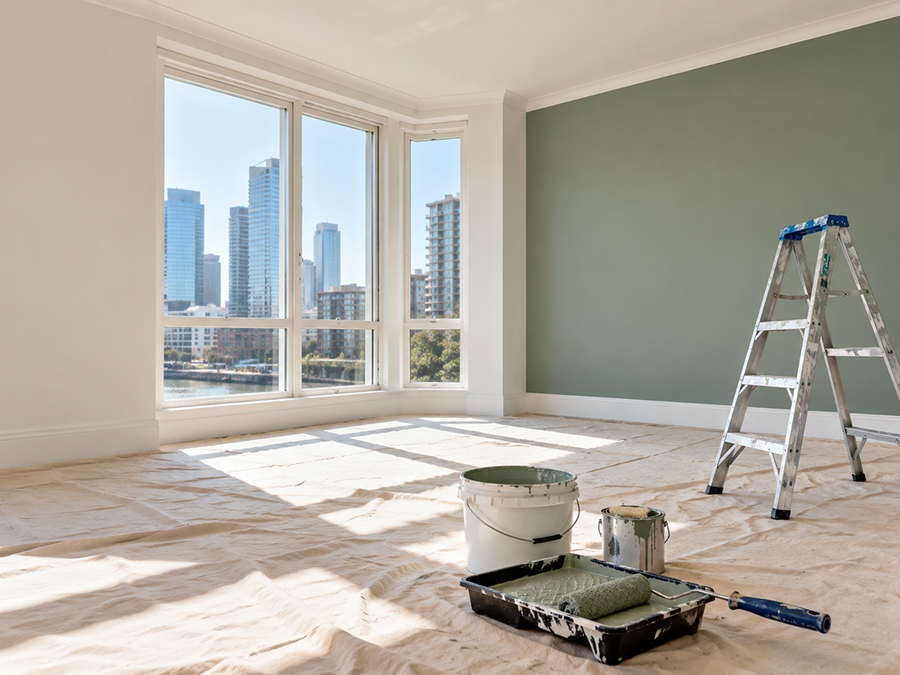
Freshly painted modern interior room in Canary Wharf with low-VOC wall finish, paint buckets, roller tray, ladder and painting equipment on protective floor covering

The Hidden Problems Behind Uneven Walls: Why Preparation Matters More Than Paint in Interior Finishing

Uneven walls often reveal their real problems only after paint is applied. Shadows expose ridges, roller marks highlight dents and cracks can return through a fresh coating. Preparation is therefore the stage that determines whether the finish looks smooth and sound. Of course you can choose the Interior finishing services Bexley, but you need to know the following information first.

Locations and Information For the Wall Issues

Bexley has 23 conservation areas and more than 150 listed buildings. Older properties may contain historic plaster. Historic England notes that historic lime plaster can often be repaired locally rather than automatically replaced. Damp is another concern. Bexley Council identifies condensation on cold walls and ceilings as a housing issue while GOV.UK warns that poor ventilation can allow moisture to accumulate.

Wall Paintings and the Right Costs

Painting costs are affected by wall condition, room size, access, finish and preparation. London rates can be higher. London cost guides show that skimming and plaster repairs can add substantially to a decorating budget. Ask whether filling, sanding, priming and repairs are included.

Choosing the Right Steps with The Inspections

An inspection should identify loose paint, failed plaster, cracks, holes, grease, dust and moisture problems. Dulux recommends cleaning, filling and sanding before painting. Wickes similarly advises identifying defects, filling them, allowing repairs to dry, sanding and removing dust. British Gypsum guidance shows why substrate preparation matters before skimming: unstable material should be removed and damaged backgrounds may need sealing and keying.

Paint Choices and What Matter

Minor holes may need filler while larger defects may require patch plastering, skimming or plasterboard. Historic lime plaster may require compatible repair materials. Paint choice matters. Kitchens and bathrooms need finishes suited to moisture and ventilation.

Finding a Long Term Solution

Painting over movement cracks, damp staining or unstable plaster can lead to peeling, cracking, bubbling or visible texture differences. Condensation can return behind furniture and around cold external walls. Councils recommend ventilation and moisture control rather than treating paint as the solution.

Project planning advice

For Interior finishing services Bexley, schedule repairs before final decorating. Allow drying time and coordinate plastering with painting. London Finishing Services provides plastering, skimming, dry lining, plasterboarding, patch repairs and painting and decorating. Its project feedback describes correcting unfinished plastering followed by decoration.

Some Steps from Your End

Photograph cracks, stains and uneven areas before work. After completion, inspect walls in different lighting. Check corners, ceilings and repaired areas before acceptance.

For homeowners comparing Decorating services in London, preparation should be central to the quotation. Good preparation gives the final coating a reliable foundation.

FAQs

How much do professional wall preparation and decorating services cost?

Costs depend on surface condition, area, access, materials and finish. Request an itemised quotation.

Can I book wall repair and painting together?

Yes. Interior finishing services Bexley can combine preparation, plaster repairs, skimming and decoration.

What should I ask a decorator before work starts?

Ask about preparation, primer, repairs, drying times and what the quotation includes.

How do I choose Decorating services in London?

Look for relevant experience, clear preparation methods, suitable materials, insurance and a written scope of work.

Home Plastering Services in London

Why London Homeowners Are Rethinking Renovation: The Growing Demand for Complete Home Improvement Services

London homeowners are increasingly looking beyond isolated repairs and individual decorating jobs. Instead, many are considering renovation as a coordinated improvement of the whole property. This approach can make sense in a city where older terraces, converted flats, period homes and compact properties often require several improvements at the same time. But what kind of Home Renovation services London would you need for such a task? Today, we will talk about that.

Making Choices for Victorian and Edwardian Terraces

London's housing stock presents particular renovation challenges. Victorian and Edwardian terraces can have dated layouts, older plaster, limited insulation and restricted natural light. Recent London renovation projects demonstrate how thoughtful reconfiguration can improve functionality without necessarily increasing the property's footprint.

Conservation areas require additional care. Historic England notes that Article 4 Directions can restrict alterations that might otherwise fall under permitted development. Listed buildings may also require specific consent.

For homeowners seeking Home Renovation services London, understanding the property before work starts is therefore essential.

What Would be the Appropriate Budget?

A renovation budget should cover more than visible finishes. Labour, preparation, waste removal, building control, specialist trades, materials and unforeseen repairs can all affect the final cost. Building control charges also vary according to the type and scale of work.

VAT treatment can also differ depending on the nature and circumstances of the renovation. HMRC states that qualifying renovation or alteration work on certain residential properties that have been empty for at least two years may qualify for a reduced VAT rate.

Adhering to the Regulations

Good renovation begins with inspection rather than demolition. Homeowners should identify damp, defective plaster, outdated wiring, plumbing problems, flooring issues and structural concerns before finalising the scope.

Planning permission and building regulations are separate matters. Some alterations require building regulations approval even when planning permission is not required.

Party-wall requirements should also be checked when work affects shared walls, boundaries or foundations. Certain projects require formal notice to neighbours.

Selection of the Right Material Is Essential

Material selection should reflect both the property and its intended use. Period homes may benefit from sympathetic finishes while kitchens and bathrooms require materials capable of handling moisture and regular use.

Energy improvements are also worth considering during renovation. Energy Saving Trust recommends combining energy-efficiency upgrades with other planned building work where practical because some improvements are disruptive to install separately.

Staying Away from Problems

Renovation problems frequently arise when trades are planned independently. Painting may begin before plaster is properly prepared. Tiling may be scheduled before plumbing is completed. Flooring can also be damaged if installed too early.

London Finishing Services offers coordinated renovation work covering areas such as plastering, tiling, painting and decorating, flooring, electrical work, carpentry, plumbing and wider property renovation.

The Smart Requirement

A written scope should establish what is included, which materials will be used, the sequence of trades, expected timescales and how changes will be handled. This becomes particularly important for whole-house projects.

For businesses and landlords, Commercial Finishing London requirements may similarly involve several interconnected trades. Coordinating the work can help create a consistent finish across offices, retail premises and other commercial environments. London Finishing Services provides business renovation solutions including office renovation, retail fit-outs, commercial flooring and tiling, painting, carpentry and electrical and plumbing work.

Before and after considerations

Before work begins, photograph existing rooms and record visible defects. Keep samples or specifications for important materials. After completion, inspect walls, ceilings, flooring, tiling, decoration and finishing details under suitable lighting.

A well-planned renovation should improve not only appearance but also usability, durability and energy performance.

FAQs

Who provides complete home renovation services in London?

London Finishing Services provides partial and complete renovation solutions covering kitchens, bathrooms, flooring, tiling, painting, plastering, electrical work and other improvements.

How can I get a home renovation quote in London?

Arrange a property assessment and provide a clear description of the required work. London Finishing Services offers consultation and quotation options before renovation begins.

Do I need planning permission for a London renovation?

Not necessarily. Requirements depend on the proposed work, property and location. Conservation areas, listed buildings and Article 4 Directions can introduce additional restrictions.

Can one contractor coordinate several renovation services?

Yes. A contractor offering multiple related trades can coordinate sequencing between plastering, tiling, decorating, flooring and other finishing requirements. This can simplify communication and project management.

Where can I find professional Commercial Finishing London services?

London Finishing Services provides renovation and finishing services for commercial properties including offices, retail premises, restaurants, hotels and educational buildings.

Painting Contractor Greenwich

Victorian, Edwardian or Modern? How Greenwich Architecture Influences Residential Painting Choices

Greenwich is not architecturally uniform. Its residential streets contain Victorian terraces, Edwardian villas, older listed properties and newer developments. That mixture makes painting more than a simple colour decision. The age, materials, architectural detailing and planning status of a property can all influence the appropriate finish. This is where the painting contractor Greenwich comes up with the best solutions.

Make a Selection of the Service As Per the Architecture

Westcombe Park, for example, contains late Victorian villas and early Edwardian houses with projecting bays, gables, sash windows, porches, stucco details and traditional brickwork. Royal Greenwich's character appraisal also identifies red, grey and yellow stock brick, tile, slate, stucco and terracotta as important elements of the local streetscape.

Historic Greenwich also has an unusually strong heritage context. Maritime Greenwich is a UNESCO World Heritage Site and the borough contains numerous listed buildings and conservation areas.

For a Victorian property, muted greens, warm greys, creams and deeper heritage shades can complement original features. Little Greene identifies colours such as French Grey, Sage Green and Bronze Red with Victorian interiors. Dulux similarly recommends using colour to emphasise fireplaces, mouldings, sash windows and other period details.

Painting Costs and More

Painting costs depend on property size, surface condition, height, access, preparation, number of coats and material selection. Current London estimates vary considerably, particularly for exterior work where scaffolding and access can affect the quotation.

A Victorian terrace may therefore require a different budget from a modern flat even when the visible painting area appears similar.

Should You Be Prepared? Yes Of Course!!

Preparation is particularly important in older Greenwich properties. Cracked plaster, previous coatings, flaking paint, staining and uneven surfaces should be assessed before decoration. Historic England warns that painting brick, stone or concrete can create damp problems and that modern coatings can sometimes be difficult to remove without damaging historic surfaces.

Where plaster requires attention, Painting Contractor Greenwich projects can benefit from coordinated patch repairs, skimming or plasterboarding before decoration.

Being Choosy on the Colours Is Great!

Victorian and Edwardian properties may contain traditional masonry, timber joinery and older plaster systems. The paint system should therefore be compatible with the substrate rather than selected purely for colour.

Modern properties usually provide greater flexibility. Clean whites, neutral tones and stronger feature colours can work well with simpler architectural forms. For period homes, historically appropriate colours can help retain visual character.

Issues You Should be Aware Of?

Typical issues include damp, cracking, peeling coatings, staining, poor adhesion and previous incompatible paint systems. Historic painted decoration can also occasionally exist beneath later layers, so unexpected discoveries should be handled carefully.

Essential Project Planning Advice You Should Know

Check the property's planning and heritage position before exterior work begins. Ordinary painting may generally fall within maintenance work, but listed buildings and properties affected by conservation controls can have additional requirements. Royal Greenwich specifically notes enhanced controls in conservation areas, while Planning Portal guidance advises checking local restrictions.

A professional Painting Contractor Greenwich project should therefore begin with a property assessment, colour discussion, surface preparation plan, materials specification and written quotation.

Before/after considerations

Before painting, photograph existing surfaces and architectural details. Record cracks, damp patches, damaged plaster and timber defects. After completion, inspect ceilings, trims, corners, windows and repaired sections in natural and artificial light.

For larger projects, Home Refurbishment services London can coordinate painting with plastering, tiling, flooring, electrical work and other renovation stages. London Finishing Services provides these related services and states that projects are tailored around property requirements, scope and desired finish.

FAQs

What colour is best for a Victorian house in Greenwich?

Warm neutrals, muted greens, heritage greys and deeper traditional colours can complement Victorian detailing. The final choice should consider existing brickwork, timber, roof materials and neighbouring properties.

How much does residential painting cost in Greenwich?

The price depends on property size, preparation, access, materials, coats and whether the work is internal or external. A property-specific quotation is more useful than a generic room price.

Do I need permission to paint a Greenwich period property?

Possibly. Listed buildings and some conservation areas have additional controls. Check the property's status and local requirements before changing external colours.

Can I combine painting with home refurbishment?

Yes. Home Refurbishment services London can be useful when painting needs to be coordinated with plaster repairs, flooring, tiling, electrical work or other renovation tasks.

How do I choose a painting contractor in Greenwich?

Ask about preparation, paint systems, previous period-property experience, protection of architectural features, project timescales and the scope included in the quotation.

Plastering, Decorating & Lighting Services

The London Rental Refresh: Why Landlords Are Investing More in Professional Home Finishing Before Re-Letting

London's rental market is making property presentation increasingly important. In August 2026 the average London private rent reached £2,332 a month, while Zoopla reported that London was experiencing rising rental demand alongside fewer available homes. In Lewisham specifically, average private rent reached £1,829 in August 2026, up 2.0% year-on-year.

This does not mean every landlord needs a major refurbishment. Instead, many landlords are looking at professional finishing as a practical way to present a clean, well-maintained property between tenancies.

The Right Requirements For Re-letting

London contains everything from Victorian terraces and Edwardian conversions to modern flats. Older properties can have uneven walls, previous repairs, tired plaster and multiple layers of decoration. These issues can become particularly visible during a vacant-period inspection.

Lewisham landlords also need to consider local licensing requirements and general property standards. Lewisham Council states that landlords must maintain rented accommodation in a safe condition and operates property licensing schemes.

For landlords comparing Decorating services in Lewisham, professional preparation can therefore involve more than applying fresh paint. Cracks, damaged plaster, worn flooring, tired woodwork and bathroom finishes may all need attention.

Proper Considerations and Cost Factors

A re-let refresh should be based on the property's condition and target tenant rather than an arbitrary refurbishment budget. Professional decorating may involve preparation, filling, sanding, priming and multiple coats. Larger repairs may require plastering or replacement materials.

The NRLA recommends balancing style, durability and functionality when preparing a rental property. TDS guidance highlighted by the NRLA also notes that decoration has a useful lifespan, making photographic records important when assessing tenant-related damage.

Preparation Requirements for the Landlords

Before decorating, inspect walls, ceilings, floors, doors, skirting boards and tiled areas. Damp or mould should not simply be painted over. Underlying moisture and ventilation issues should be investigated first.

Landlords must also address statutory requirements separately from cosmetic finishing. These include electrical safety, gas safety, fire alarms and EPC obligations.

Choosing the Right Materials

Rental properties generally benefit from durable and maintainable materials. Washable paints, suitable flooring and hard-wearing bathroom finishes can make future maintenance easier. Neutral colours can also provide a flexible backdrop for different tenants.

Professional Home Finishing London projects can combine decorating with plaster repairs, tiling, flooring and other finishing requirements rather than treating each surface independently.

Common Problems Faced?

Common re-letting issues include scuffed walls, nail holes, cracked plaster, stained ceilings, damaged grout, worn flooring and poorly repaired previous work. Rushing these repairs can leave visible defects beneath the new finish.

What Advice Is needed before Project planning?

Start with an inspection and written scope. Identify essential repairs first. Then schedule plastering and surface preparation before painting, decorating, flooring and final cleaning. This reduces duplicated labour and helps minimise the void period.

Recent NRLA guidance specifically warns landlords against rushing refurbishment decisions because void periods can make poor planning expensive.

Before/after considerations Landlords Should Have

Photograph every room before work begins. Record existing damage and the condition of decorative surfaces. After completion, inspect walls under good lighting and check corners, ceilings, skirting, doors and repaired areas.

London Finishing Services provides plastering, painting and decorating, tiling, floor renovation, electrical work and wider renovation services. Its current service information describes tailored project solutions, quality materials and attention to detail.

Its project and testimonial material also includes examples involving plastering followed by painting and decorating, bathroom tiling, flooring and remedial finishing work.

Why professional finishing is becoming part of the re-let process

With London rental supply remaining constrained, presentation is one part of a landlord's wider property-management strategy. Knight Frank reported in September 2026 that new listings in prime central and outer London remained below the five-year average while rental values continued to be shaped by tight supply.

The objective is not necessarily luxury refurbishment. It is to return the property to a clean, functional and professionally finished condition before marketing.

For landlords seeking Decorating services in Lewisham, this can mean targeted painting and repairs rather than unnecessary structural work. For wider Home Finishing London requirements, coordinating several finishing trades can create a more consistent result.

FAQs

How much does it cost to refresh a rental property before re-letting?

The cost depends on property size, surface condition, preparation, materials and the number of services required. Request an itemised quotation after an inspection.

What should landlords repair before re-letting?

Prioritise safety, damp or mould issues, damaged surfaces, defective fixtures and significant wear before completing decorative work.

Can a landlord hire professional decorating services between tenancies?

Yes. Professional decorating can be scheduled during the vacant period to refresh walls, ceilings, woodwork and other decorative surfaces.

Can London Finishing Services handle several finishing jobs?

Yes. Its current service range includes plastering, painting and decorating, tiling, flooring, electrical services and wider renovation work.

What should I ask when hiring a London finishing contractor?

Ask for a written scope, preparation requirements, materials, number of coats, estimated timescale, exclusions and final price before work starts.

Is professional finishing a legal requirement for landlords?

Decoration itself is generally not a legal requirement. However, landlords have legal duties concerning safety, health hazards, electrical installations, gas equipment, fire safety and energy efficiency.

WhatsApp
Seraphinite AcceleratorOptimized by Seraphinite Accelerator
Turns on site high speed to be attractive for people and search engines.