

Why Do Newly Painted Walls Reveal Every Imperfection? A Guide to Professional Surface Preparation in Period Homes
Newly painted walls should give a room a fresh and elegant appearance. Yet in many period homes across Chelsea the first coat of paint can reveal dents, hairline cracks, uneven plaster and subtle ripples that were barely noticeable before decorating. The reason is simple: paint changes the colour of a surface but does not automatically correct its underlying texture.
For homeowners renovating Georgian and Victorian properties, professional surface preparation is particularly important. Traditional plasterwork may have deteriorated over time or been repaired with incompatible materials. Historic England highlights the importance of understanding traditional building materials and moisture movement when maintaining older properties.
Why Fresh Paint Makes Wall Defects More Visible
Paint can emphasise imperfections because light reflects differently from smooth and uneven areas. Natural daylight entering through tall sash windows can highlight shallow ridges and depressions. Artificial lighting positioned close to a wall can make these defects even more noticeable.
Gloss and other higher-sheen finishes tend to accentuate surface irregularities more than matt paint. Uneven absorption can also produce patchy colour or inconsistent sheen. Simply applying another coat may hide minor colour differences but will not level a poorly prepared wall.
Why Period Homes Need More Careful Preparation
Chelsea properties often feature traditional plaster, decorative cornices, picture rails and original architectural details. Older walls may contain lime plaster applied over masonry or timber laths. Such materials require careful assessment before sanding, filling or replastering.
Historic England and heritage conservation guidance emphasise the importance of compatible repairs. Lime plaster allows moisture to move through traditional wall structures. Using unsuitable impermeable finishes or modern materials without assessing the existing construction can contribute to moisture-related problems.
How Professional Plastering services in Chelsea Prepare Walls
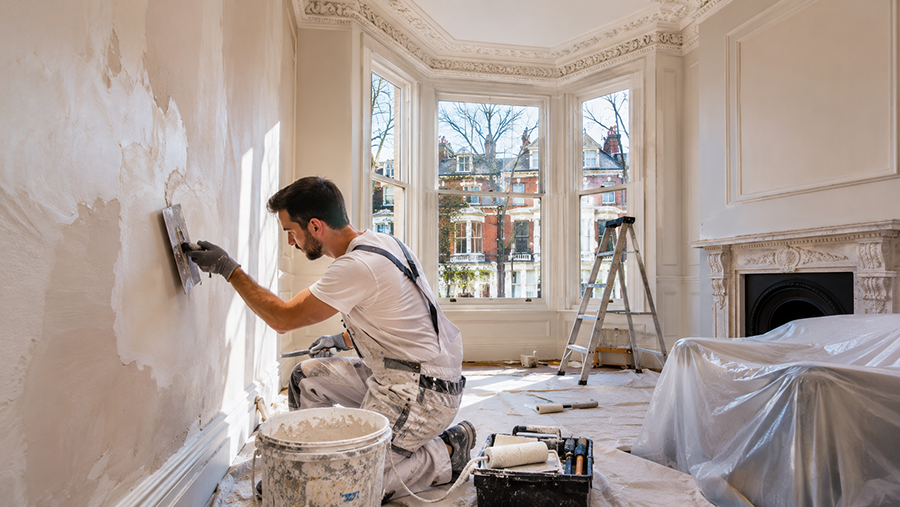
Effective preparation begins with inspecting the surface rather than immediately applying paint. A professional plasterer from Plastering services in Chelsea checks for loose plaster, recurring cracks, damp patches, hollow areas and previous repairs.
The appropriate treatment may include removing loose material, filling minor defects, repairing damaged plaster or applying a suitable skim coat. The surface is then allowed to dry as required before dust removal and the correct primer or sealer are applied.
For new plaster, drying time depends on plaster type, thickness and environmental conditions. Dulux guidance notes that a plaster skim can take approximately two to three weeks to dry, while full plasterwork may take considerably longer. Product-specific instructions should always be followed.
Coordinating Plaster Repairs and Painting for a Better Finish
Surface preparation should be treated as part of the decorating process rather than an optional extra. A competent Painting Contractor London homeowners hire should assess whether the walls need cleaning, filling, sanding, priming or more substantial plaster repairs before applying the finish coats.
London Finishing Services offers plastering, skimming, patch repairs, plasterboarding, painting and decorating, alongside wider renovation services. Coordinating these tasks can help ensure that repairs are completed before the final paintwork begins. Its published project examples and customer feedback also describe plastering and decorating work delivered as part of wider interior improvements.
For period homes, the priority is to achieve a consistent finish without unnecessarily removing original features. Specialist guidance from the National Park Service and traditional building experts supports careful repair of historic plaster rather than indiscriminate replacement. Breathable finishes may also be appropriate where the existing wall construction requires them.
A smooth painted finish begins with the condition of the wall beneath it. In Chelsea's period homes, careful inspection, compatible plaster repairs and thorough preparation help protect original character while creating a more consistent decorative finish.
FAQs
1. Where can I book professional Plastering services in Chelsea?
Contact London Finishing Services to discuss your wall condition and plastering requirements. Request an assessment and quotation before arranging the work.
2. How much does professional wall preparation cost in London?
Costs depend on the wall area, existing damage, access, repair materials and whether skimming or extensive replastering is required. Ask for an itemised quotation.
3. Should I hire a plasterer or a painting contractor for uneven walls?
Choose a plasterer when surfaces need levelling or substantial repairs. A painting contractor can manage cleaning, minor filling, priming and decoration. More complex projects may require both trades.
4. How long should I wait before painting newly plastered walls?
Wait until the plaster is sufficiently dry for the specified paint system. Drying times vary with material, thickness, ventilation, temperature and humidity.
5. Can period walls be repaired without removing original plaster?
Often, yes. Sound original plaster may be retained and repaired locally. Loose, damp or extensively damaged areas need professional assessment before the appropriate treatment is selected.

