
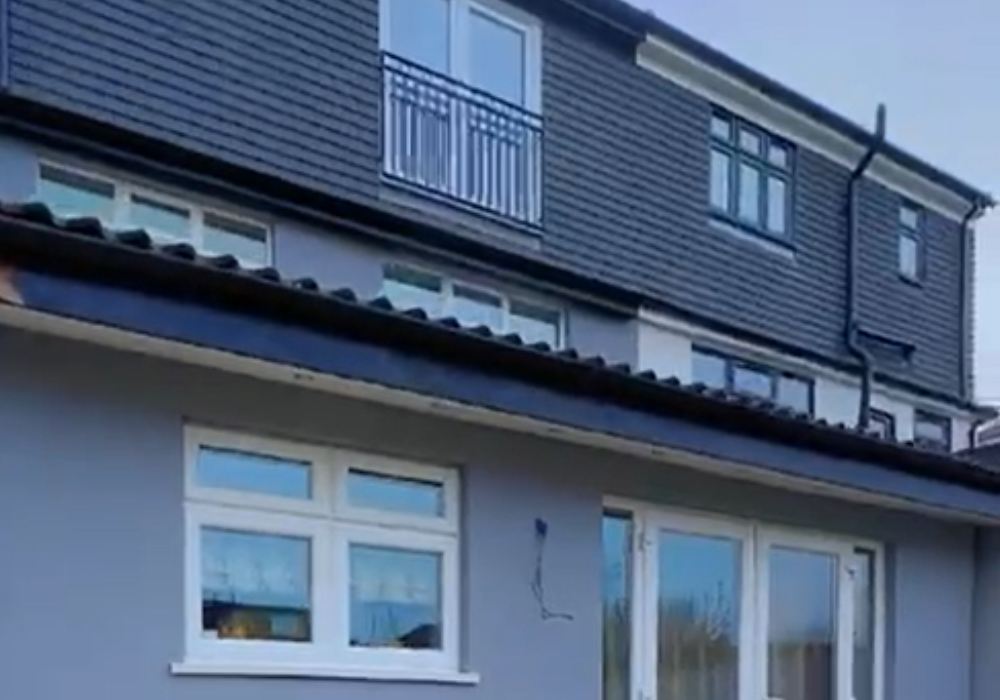
Why London Homeowners Are Rethinking Renovation: The Growing Demand for Complete Home Improvement Services
London homeowners are increasingly looking beyond isolated repairs and individual decorating jobs. Instead, many are considering renovation as a coordinated improvement of the whole property. This approach can make sense in a city where older terraces, converted flats, period homes and compact properties often require several improvements at the same time. But what kind of Home Renovation services London would you need for such a task? Today, we will talk about that.
Making Choices for Victorian and Edwardian Terraces
London's housing stock presents particular renovation challenges. Victorian and Edwardian terraces can have dated layouts, older plaster, limited insulation and restricted natural light. Recent London renovation projects demonstrate how thoughtful reconfiguration can improve functionality without necessarily increasing the property's footprint.
Conservation areas require additional care. Historic England notes that Article 4 Directions can restrict alterations that might otherwise fall under permitted development. Listed buildings may also require specific consent.
For homeowners seeking Home Renovation services London, understanding the property before work starts is therefore essential.
What Would be the Appropriate Budget?
A renovation budget should cover more than visible finishes. Labour, preparation, waste removal, building control, specialist trades, materials and unforeseen repairs can all affect the final cost. Building control charges also vary according to the type and scale of work.
VAT treatment can also differ depending on the nature and circumstances of the renovation. HMRC states that qualifying renovation or alteration work on certain residential properties that have been empty for at least two years may qualify for a reduced VAT rate.
Adhering to the Regulations
Good renovation begins with inspection rather than demolition. Homeowners should identify damp, defective plaster, outdated wiring, plumbing problems, flooring issues and structural concerns before finalising the scope.
Planning permission and building regulations are separate matters. Some alterations require building regulations approval even when planning permission is not required.
Party-wall requirements should also be checked when work affects shared walls, boundaries or foundations. Certain projects require formal notice to neighbours.
Selection of the Right Material Is Essential
Material selection should reflect both the property and its intended use. Period homes may benefit from sympathetic finishes while kitchens and bathrooms require materials capable of handling moisture and regular use.
Energy improvements are also worth considering during renovation. Energy Saving Trust recommends combining energy-efficiency upgrades with other planned building work where practical because some improvements are disruptive to install separately.
Staying Away from Problems
Renovation problems frequently arise when trades are planned independently. Painting may begin before plaster is properly prepared. Tiling may be scheduled before plumbing is completed. Flooring can also be damaged if installed too early.
London Finishing Services offers coordinated renovation work covering areas such as plastering, tiling, painting and decorating, flooring, electrical work, carpentry, plumbing and wider property renovation.
The Smart Requirement
A written scope should establish what is included, which materials will be used, the sequence of trades, expected timescales and how changes will be handled. This becomes particularly important for whole-house projects.
For businesses and landlords, Commercial Finishing London requirements may similarly involve several interconnected trades. Coordinating the work can help create a consistent finish across offices, retail premises and other commercial environments. London Finishing Services provides business renovation solutions including office renovation, retail fit-outs, commercial flooring and tiling, painting, carpentry and electrical and plumbing work.
Before and after considerations
Before work begins, photograph existing rooms and record visible defects. Keep samples or specifications for important materials. After completion, inspect walls, ceilings, flooring, tiling, decoration and finishing details under suitable lighting.
A well-planned renovation should improve not only appearance but also usability, durability and energy performance.
FAQs
Who provides complete home renovation services in London?
London Finishing Services provides partial and complete renovation solutions covering kitchens, bathrooms, flooring, tiling, painting, plastering, electrical work and other improvements.
How can I get a home renovation quote in London?
Arrange a property assessment and provide a clear description of the required work. London Finishing Services offers consultation and quotation options before renovation begins.
Do I need planning permission for a London renovation?
Not necessarily. Requirements depend on the proposed work, property and location. Conservation areas, listed buildings and Article 4 Directions can introduce additional restrictions.
Can one contractor coordinate several renovation services?
Yes. A contractor offering multiple related trades can coordinate sequencing between plastering, tiling, decorating, flooring and other finishing requirements. This can simplify communication and project management.
Where can I find professional Commercial Finishing London services?
London Finishing Services provides renovation and finishing services for commercial properties including offices, retail premises, restaurants, hotels and educational buildings.
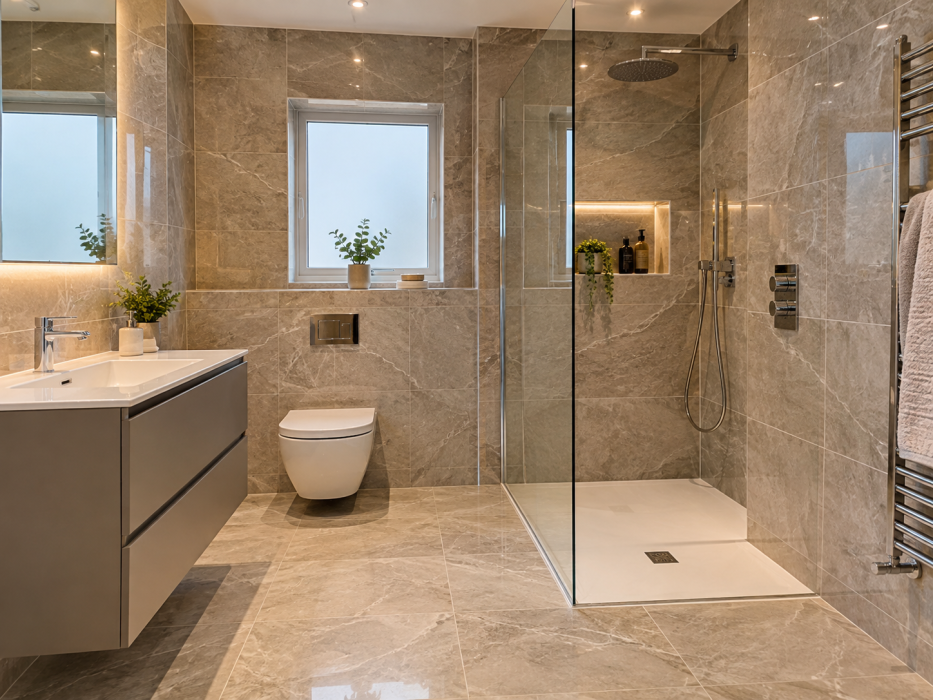
The Art of a Seamless Finish: What to Expect from a Bathroom Tiling Contractor London
A genuinely seamless bathroom finish is about much more than laying tiles in straight lines. In London properties the underlying structure can vary considerably between period homes, converted flats, new-build apartments and contemporary houses. Walls may require additional preparation while floors may have uneven areas or existing finishes that need removal. A professional Bathroom Tiling Contractor London should therefore assess the room before recommending a tiling approach.
London-specific property considerations
Older London properties may have irregular walls, awkward corners, timber structures or previous layers of tiles. Apartments can also have access restrictions and building-management requirements. These factors can influence preparation, working hours, material movement and project duration. A site assessment helps identify such issues before installation begins.
Practical cost factors
Bathroom tiling costs depend on more than the tile price. Labour, surface preparation, removal of existing tiles, waterproofing, adhesive, grout, trims, difficult cuts and waste can all affect the final budget. Large-format or intricate tiles may require additional care during installation. Requesting a detailed quotation helps avoid unexpected additions.
Preparation requirements
A polished finish starts beneath the tiles. Walls and floors should be sufficiently sound, clean, flat and suitable for the chosen installation system. Wet areas require appropriate waterproofing. Drainage falls should also be considered where necessary. Good preparation helps reduce problems such as loose tiles, uneven surfaces and cracked grout.
Material considerations
Tile material, size, texture, colour and finish should suit the room rather than being selected solely for appearance. Large-format tiles can create fewer visible joints while suitable textured floor tiles can provide better grip. Grout colour also influences the visual character of the bathroom and its maintenance requirements.
Common problems
Poor preparation, inconsistent grout lines, badly positioned cuts, inadequate sealing and unsuitable tile selection can undermine an otherwise attractive bathroom. Movement within a building can also contribute to cracking if appropriate detailing has not been considered. Professional installation should address these practical details rather than concentrating only on the visible surface.
Project planning advice
Discuss the tile layout, grout colour, edge profiles, waterproofing, fixtures, niches and drainage before work begins. Confirm who is responsible for removing old materials and moving bathroom fittings. For busy London households, planning access and working arrangements in advance can make the installation considerably easier.
Before and after considerations
Before tiling, photograph existing plumbing and important junctions where useful. After completion, inspect grout lines, corners, tile edges, transitions and areas around fittings. Allow appropriate sealants and other finishing materials to cure according to their manufacturer's guidance before exposing them to normal use.
FAQs
Where can I find a Bathroom Tiling Contractor London for my bathroom?
Look for a contractor who provides a site assessment, detailed quotation, appropriate preparation and a clear installation plan.
How much do Residential Tiling Services London cost?
The cost varies according to room size, tile choice, preparation, waterproofing, labour and installation complexity. A site-specific quotation is more useful than a generic per-square-metre figure.
Can bathroom tiles be installed over existing tiles?
Sometimes, but only where the existing surface is suitable, secure, sufficiently flat and compatible with the proposed installation system. Removal may be preferable where the existing substrate is damaged.
How long do Residential Tiling Services London projects take?
Duration depends on preparation, room size, tile format, drying or curing requirements and whether other bathroom work is being completed simultaneously.
How Our LFS service approaches
London Finishing Services focuses on careful finishing and detailed workmanship across residential interiors. For bathroom tiling, that approach means treating the tile surface, preparation, joints, edges and final appearance as parts of one complete finish rather than isolated tasks.
For a London homeowner, that attention to detail can make the difference between a bathroom that merely looks newly tiled and one that feels clean, balanced, comfortable and reassuring to use every day.
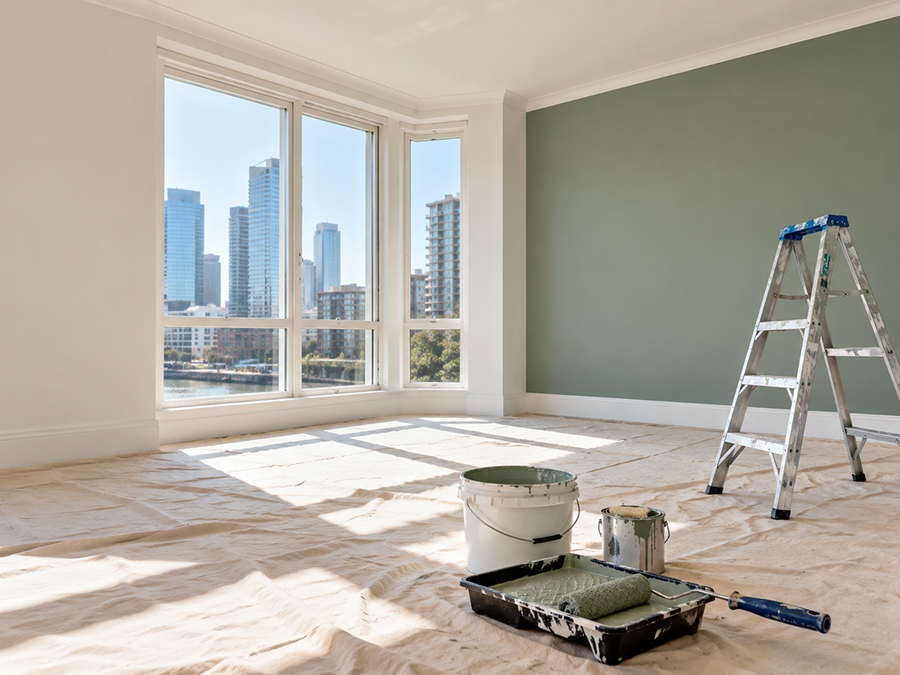
Low-Toxicity Interiors: What to Consider When Choosing Paints and Finishes for a Healthier Home
Choosing paint for a Canary Wharf home is no longer simply about colour and appearance. Paints, coatings, sealants, flooring and other finishing materials can contribute to indoor emissions. Tower Hamlets specifically identifies paints, carpets, glues and furniture as potential sources of VOCs and formaldehyde and recommends ventilation and low-VOC products.
London-specific property considerations
Apartments and houses around Canary Wharf can have different ventilation arrangements. A renovation should therefore consider existing windows, extractor fans and mechanical ventilation before work begins. London guidance also highlights adequate ventilation and low-emission finishes as important measures for reducing indoor pollutants.
For homeowners comparing a Painting Contractor Canary wharf, the discussion should extend beyond colour charts. Ask which paint system is proposed, what preparation is required and how ventilation will be maintained during and after application.
Practical cost factors
Low-VOC paint does not automatically mean an inexpensive project. The total cost can include primer, stain blocking, crack repairs, sanding, preparation, multiple coats and specialist finishes. Choosing the correct product initially can help avoid premature repainting.
A broader Home Finishing services Canary wharf project may also combine painting with plaster repairs, decorating, flooring or tiling. Coordinating these trades can reduce duplicated preparation and help establish a clearer project budget.
Preparation requirements
Healthy finishing begins with a sound surface. Dust, loose paint, moisture damage and unstable plaster should be addressed before applying new coatings. Simply painting over damp or mould-affected areas can conceal the underlying problem rather than resolve it.
Tower Hamlets advises treating the cause of damp and mould through moisture control, ventilation and appropriate heating.
Material considerations
Look for clearly labelled low-emission or low-VOC products and check the manufacturer's technical information. UK regulations also establish VOC content limits for relevant paints and varnishes.
A suitable Painting Contractor Canary wharf should be able to explain why a particular primer, emulsion, trim coating or sealant has been selected rather than simply recommending the cheapest option.
Common problems
Typical problems include lingering odours, poor adhesion, flashing, visible roller marks, cracking and mould returning beneath fresh paint. Inadequate drying or ventilation can also affect the final result. Low-emission materials are useful but do not replace proper preparation and ventilation.
Project planning advice
Before starting, establish the rooms involved, surface condition, finish level, products, number of coats, ventilation arrangements, furniture protection and expected drying periods. London Finishing Services provides painting and decorating alongside plastering, tiling, flooring and wider renovation work, allowing related finishing tasks to be coordinated.
Before/after considerations
Before work, photograph existing walls and note cracks, stains, damp patches and previous coatings. After completion, inspect corners, ceilings, trims and repaired areas under suitable lighting. Allow finishes to cure according to manufacturer instructions before judging the final appearance.
FAQs
Where can I find low-VOC painting services in Canary Wharf?
Look for a professional contractor that can specify low-emission products and explain preparation, ventilation and application procedures.
How much do home finishing services in Canary Wharf cost?
The price depends on room size, surface condition, preparation, materials, number of coats and additional finishing work. Request an itemised quotation before starting.
Can I book Home Finishing services Canary wharf for painting and related repairs?
Yes. London Finishing Services provides painting and decorating alongside plastering, tiling, flooring and wider renovation services.
What should I ask before hiring a painting contractor?
Ask about surface preparation, product specifications, VOC levels, ventilation, number of coats, protection of furnishings, drying times and the written quotation.
Why choose professional finishing services?
A coordinated professional approach can connect surface preparation with the final decorative finish. London Finishing Services states that its work covers residential and commercial properties and focuses on quality materials, attention to detail and tailored project solutions.
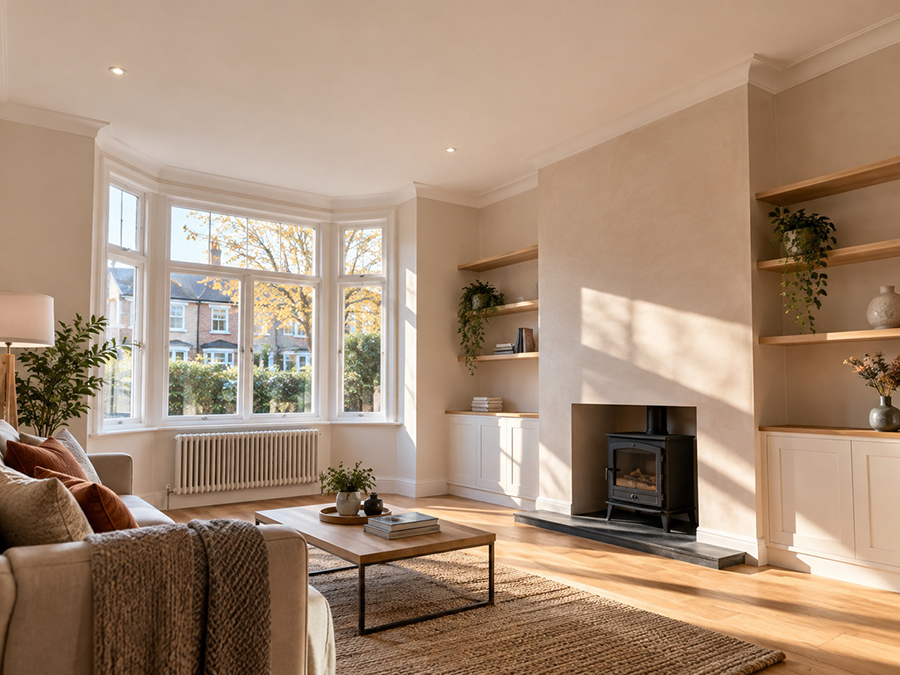
Making London Homes Feel Warmer This Autumn: The Role of Professional Plastering in Interior Renovations
Autumn can highlight weaknesses inside London homes. Older terraces may have uneven walls while period properties can contain previous layers of plaster, patched areas and surfaces affected by everyday wear. Flats and compact homes also need careful preparation because moisture, ventilation and heating can influence how quickly plaster dries. Professional Plastering and Renovation Services London can help create cleaner and more consistent interior surfaces while supporting wider renovation work.
A smooth wall does more than improve appearance. Proper plastering creates a sound surface for decorating and can contribute to a more comfortable interior when combined with suitable insulation and heating improvements.
Practical cost factors
The cost of plastering depends on wall condition, room size, access, preparation requirements and the chosen finish. Repairing damaged backgrounds may require additional labour before the final coat can be applied.
Homeowners should therefore request a detailed quotation rather than comparing prices based only on the cost per square metre. Professional Home Plastering Renovations London can be particularly useful when plastering forms part of a larger refurbishment because several stages can be coordinated together.
Preparation requirements
Good plastering begins before the first coat is applied. Furniture should be protected and surfaces cleared where possible. Loose material needs to be removed while cracks, holes and damaged sections should be assessed.
The background must also be suitable for the selected plaster system. During autumn, contractors need to consider indoor temperature, ventilation and humidity because excessive moisture can delay drying.
Material considerations
Different walls require different approaches. Gypsum plaster can provide a smooth interior finish while plasterboard systems can be appropriate for certain renovation and insulation requirements. Skimming is commonly used where an existing surface needs a refined finish.
A professional contractor can assess the substrate and recommend materials according to the property's condition rather than applying the same solution everywhere.
Common problems
Poor preparation can result in cracking, uneven surfaces, hollow areas or premature deterioration. Excessively rapid drying can also create problems while insufficient ventilation can prolong drying.
These issues are particularly relevant during London's changeable autumn weather. Experienced plasterers can manage preparation, application and drying conditions more carefully.
Project planning advice
Plan plastering before final painting and decorating. Allow sufficient drying time and avoid rushing subsequent work. Where several rooms require attention, a phased approach can help homeowners maintain access to essential areas.
For larger refurbishment projects, Plastering and Renovation Services London can combine plaster repairs, skimming, plasterboarding and associated finishing work into a coordinated programme.
Before/after considerations
Before plastering, walls may show cracks, dents, stains or inconsistent textures. After professional preparation and finishing, the same surfaces can provide a smoother foundation for paint and other decorative treatments.
Home Plastering Renovations London can also form part of broader interior improvements where homeowners want refreshed walls alongside decorating or renovation work.
FAQs
How much does professional plastering cost in London?
The cost varies according to room size, surface condition, access, preparation and finish. Requesting a property-specific quotation is the most reliable approach.
How long does plastering take to dry in autumn?
Drying time depends on plaster thickness, ventilation, temperature and humidity. Good airflow and sensible heating can help maintain suitable conditions.
Can I hire a plasterer for wall repairs and skimming?
Yes. Professional plasterers can assess cracks, holes and damaged surfaces before applying suitable repairs and finishing coats.
Can plastering be included in a home renovation?
Yes. Coordinating plastering with decorating and other renovation work can make the overall project easier to manage.
Where can I find professional plastering services in London?
London Finishing Services provides plastering solutions including skimming, plasterboarding, patch repairs, dry lining and rendering, with project requirements assessed before work begins.
